

This is a DrinkAbility Blog Content developed for Inside the Cask by Nicola McRedmond.

You know the saying: Give someone a fish and they’ll eat for a day. Teach them how to fish and they’ll eat for a lifetime.
Has anyone ever really taught you how to manage your own career? Or have you simply been given new responsibilities, stretch projects, maybe even a better title, and left to assume that progression will naturally take care of itself?
Because here’s what I see across every level of the drinks industry – talented people drifting.
Graduates who move from role to role without a clear direction.
Mid-career professionals who are excellent operators but unsure how to step up.
Senior leaders who realise, slightly too late, that they built their CV around one company’s structure rather than their own long-term ambition.
It’s rarely about lack of capability. It’s about lack of intentional ownership.
Your Employer Has a Strategy. Do You?
Every drinks business has a commercial strategy. Growth targets, market plans, and brand positioning. But most individuals don’t have a strategy for themselves.
They rely on annual reviews and assume a manager will flag when they’re ready. They hope that good performance will automatically translate into progression. Sometimes it does, but all too often, it doesn’t.
Your manager sees you through the lens of what the business needs right now. That’s fair, and that’s their job. But your career is longer than any single strategy cycle, restructure or leadership team. If your development is shaped entirely by your employer’s immediate priorities, it will always be reactive.
At any stage in your career, the shift is the same: move from being developed to directing your own development.

Write a Development Plan That Travels With You
A Personal Development Plan should not be a form completed once a year and forgotten. It should be a working document that answers a simple question: where am I heading, and why?
That question looks different depending on where you are. Early in your career, it might be about building breadth and understanding how the industry fits together. Mid-career, it might be about deepening expertise or stepping into leadership. Later on, it might be about influence, legacy or portfolio direction.
But at every stage, the principle is identical: you choose the direction first, then build towards it deliberately.
Instead of waiting for a manager to suggest training, start by clarifying the kind of responsibility you want in two or three years’ time. Then look honestly at the capabilities required. Not just technical knowledge, but commercial awareness, strategic thinking, stakeholder management, financial literacy, negotiation confidence.
Once you see the gap, you can design experiences to close it.
Sometimes that means volunteering to lead a project slightly outside your comfort zone. Sometimes it means asking to sit in on a commercial discussion. Sometimes it means seeking feedback from someone who will tell you the truth, not just what’s comfortable.
The key is that you are deciding what you need, not just absorbing what is offered.
And revisit it, regularly. Reflection is not indulgent; it is strategic. When you pause and ask what you’ve actually learned, where you’ve stretched, and what still feels underdeveloped, you keep momentum alive.
That habit alone sets you apart.
Your External Network Is Part of Your Development
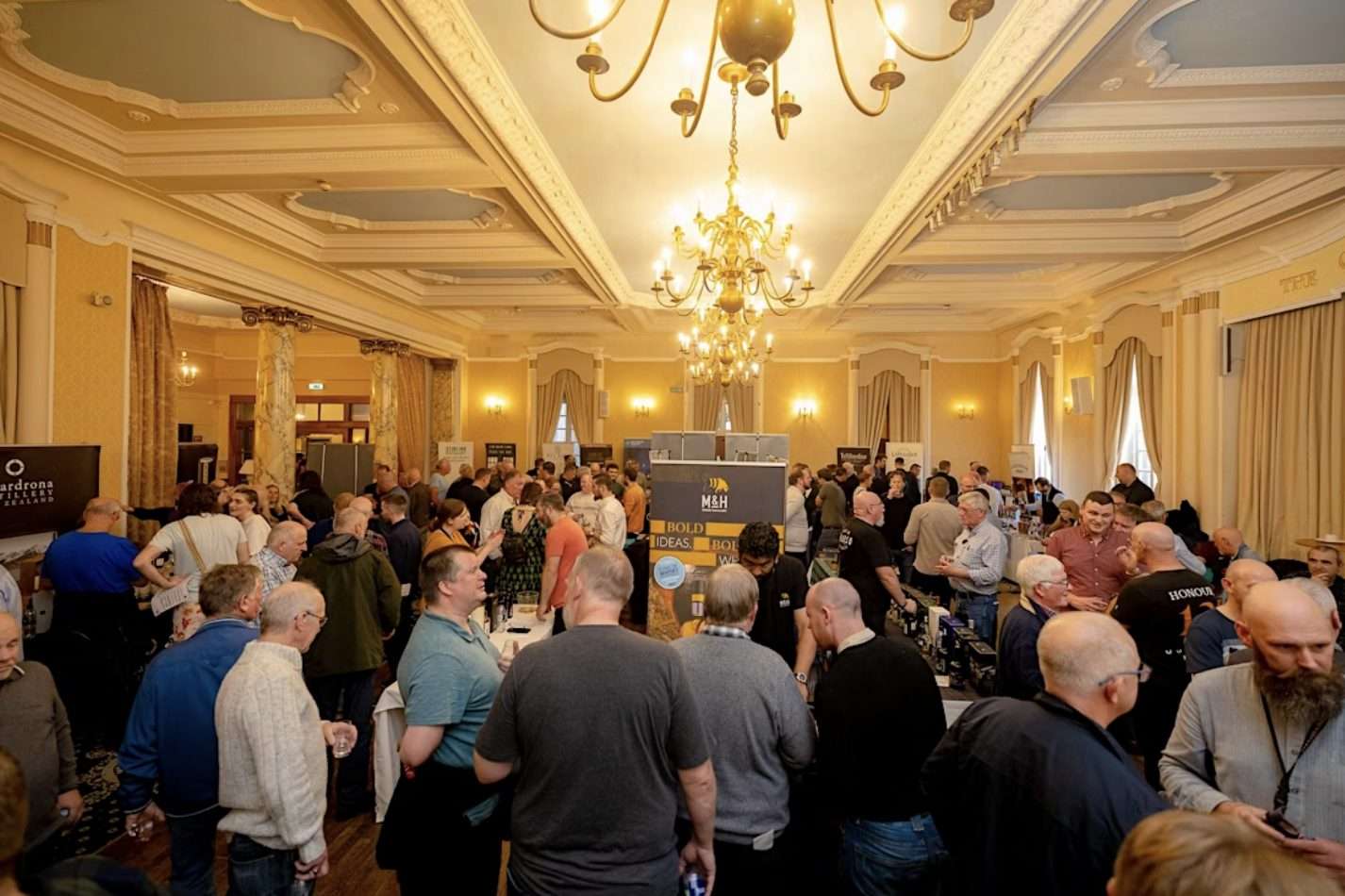
One of the most powerful, and underused, development tools in drinks is your external network. Too many professionals confine their growth conversations to internal appraisals. But your current business is only one version of the industry.
When you speak to peers in other companies, attend events with intention, or maintain relationships beyond your immediate team, you widen your perspective. You start to see what skills are valued elsewhere, where salaries are moving, how different businesses solve similar problems.
That context sharpens your own plan. An external contact might highlight a capability that is becoming critical. A recruiter might point out a market shift you hadn’t noticed. Those conversations are not about job-hopping. They are about staying informed and adaptable.
Your internal network supports your current role.
Your external network supports your career.
Stop Waiting for Permission
At every level, there’s a temptation to wait.
Early career professionals wait to be “ready.”
Mid-level professionals wait for a vacancy.
Senior leaders wait for the right timing.
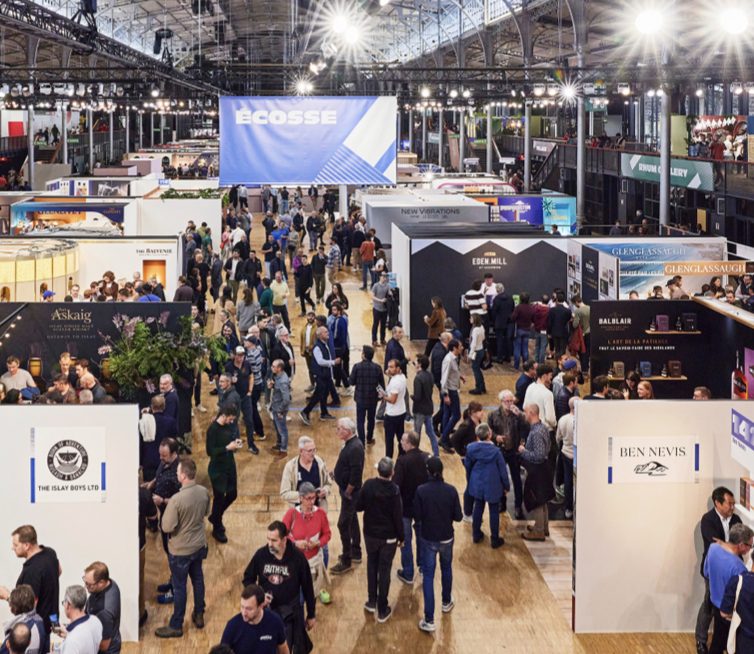
But careers rarely move in perfectly signposted steps. You do not need permission to read more widely, to ask sharper questions in meetings, to seek feedback, to build relationships, or to articulate your ambitions clearly.
Small actions compound. Over a year, deliberate exposure to new experiences transforms confidence. Over five years, consistent self-directed development changes your trajectory entirely.
Development Is a Career Skill
When you learn how to assess your own capability, set direction, seek out stretch opportunities and adapt strategically, you build a skill that no restructure, acquisition or job change can take away.
You become resilient in a different way. Not because nothing changes, but because you know how to navigate change. That’s what it really means to build a career that belongs to you.
Not one that depends entirely on a single employer’s structure.
Not one that stalls when someone else forgets to develop you.
But one you steer, intentionally, throughout your working life.
And in an industry as dynamic and relationship-driven as drinks, that kind of ownership is not just empowering.
It’s essential.





0 Comments