

My whisky journey did not begin with a job title or a career plan. It began with curiosity — and a first encounter with Scotch whisky at its source in Scotland.
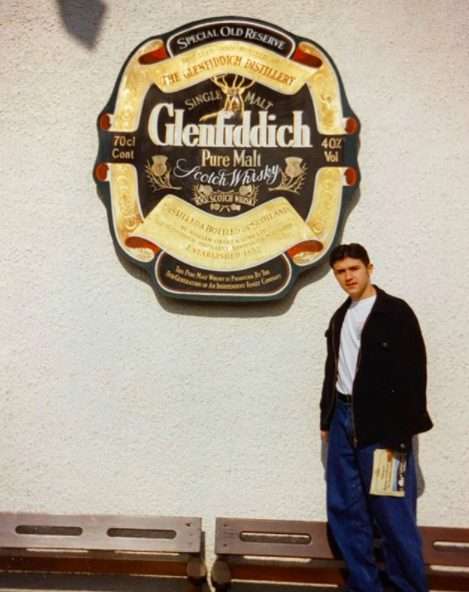
At 18, I visited Glenfiddich Distillery for the first time. Like many people, I was struck by the smell of malted barley being transformed into new make spirit and matured into Scotch whisky at a warehouse, the quiet rhythm of production, and the sense that whisky operates on a different timescale to most modern industries. At the time, what I did not realise was that this visit would quietly influence and shape the majority of my professional life.
That moment marked the start of a long-term relationship with Scotch whisky — one that would evolve from general interest to vocation.

From Curiosity to Understanding: Learning How Whisky Is Made
Before working in the Scotch whisky industry, I studied biotechnology at university and this helped me to appreciate how whisky actually works — beyond marketing narratives and romanticised storytelling.
Given my scientific background, I was always going to be drawn to the mechanics of whisky production from fermentation dynamics and yeast behaviour, to distillation techniques and cut management, the influence of copper contact on spirit character and the chemistry of oak, extraction, and oxidation.
However, technical knowledge alone is insufficient to really appreciate Scotch whisky.
Scotch whisky exists at the intersection of science, tradition, and human judgment.
Decisions made by distillers, blenders, and coopers often rely on experience rather than data — and those decisions can echo for decades. This balance between precision and intuition remains one of the defining characteristics of Scotch whisky.

Entering the Drinks Industry in 2004
I formally entered the drinks industry in 2004, joining Maxxium at a point when Scotch whisky was beginning a period of transformation. In the early 2000’s, Maxxium was the second-largest spirits in the UK behind Diageo, and it was a joint venture between Edrington (Scotland), Jim Beam Brands (USA), Remy Cointreau (France) and V&S Ventures (Sweden). Its portfolio included brands such as The Famous Grouse scotch whisky, Jim Beam bourbon, Remy Martin cognac, Absolut vodka and a number of 3rd party brands also.
I was initially responsible for managing the relationship with the Tesco supermarket group, growing it to over 540,000 cases and in the process helping The Famous Grouse to become number 1 scotch whisky brand in the UK.
Rather than specialising narrowly within the Off-Trade channel, focusing on brand and commercial strategy and execution, I was able to develop my career across multiple dimensions of the whisky business. This started at Maxxium, where I was able to develop my own understanding and appreciation of the On-Trade and Luxury Off-Trade channels, and the importance of whisky education and category advocacy, by becoming responsible for the Prestige Team in 2007.

Working under Maxxium UK On Trade Sales Director, Jim Grierson, I learnt how brands were built in the On trade and the importance of managing and developing people, beyond just your own team. This was a period in my career of tremendous personal growth and Jim played a pivotal role in that process.
As the Sales Controller responsible for the Luxury sector, Contemporary/ New Style Bars and the Brand Activation Team, I had the opportunity to see first hand the passion and dedication of all those people involved in the drinks industry. It also provided me with the perfect opportunity to develop and learn from others in the company and the wider trade, such as the Maxxium mixologists Wayne Collins and Andy Gemmell (and later Patsy Christie also).

This breadth of experience was intentional. To understand the drinks industry properly, and Scotch whisky in particular, you must see how decisions made at the distillery level influence markets, regulations, consumer perception, and long-term brand equity.
Scotch whisky is not simply made; it is managed over time. As the person responsible for managing the allocation process at the time, I had a real appreciation for this in practice!
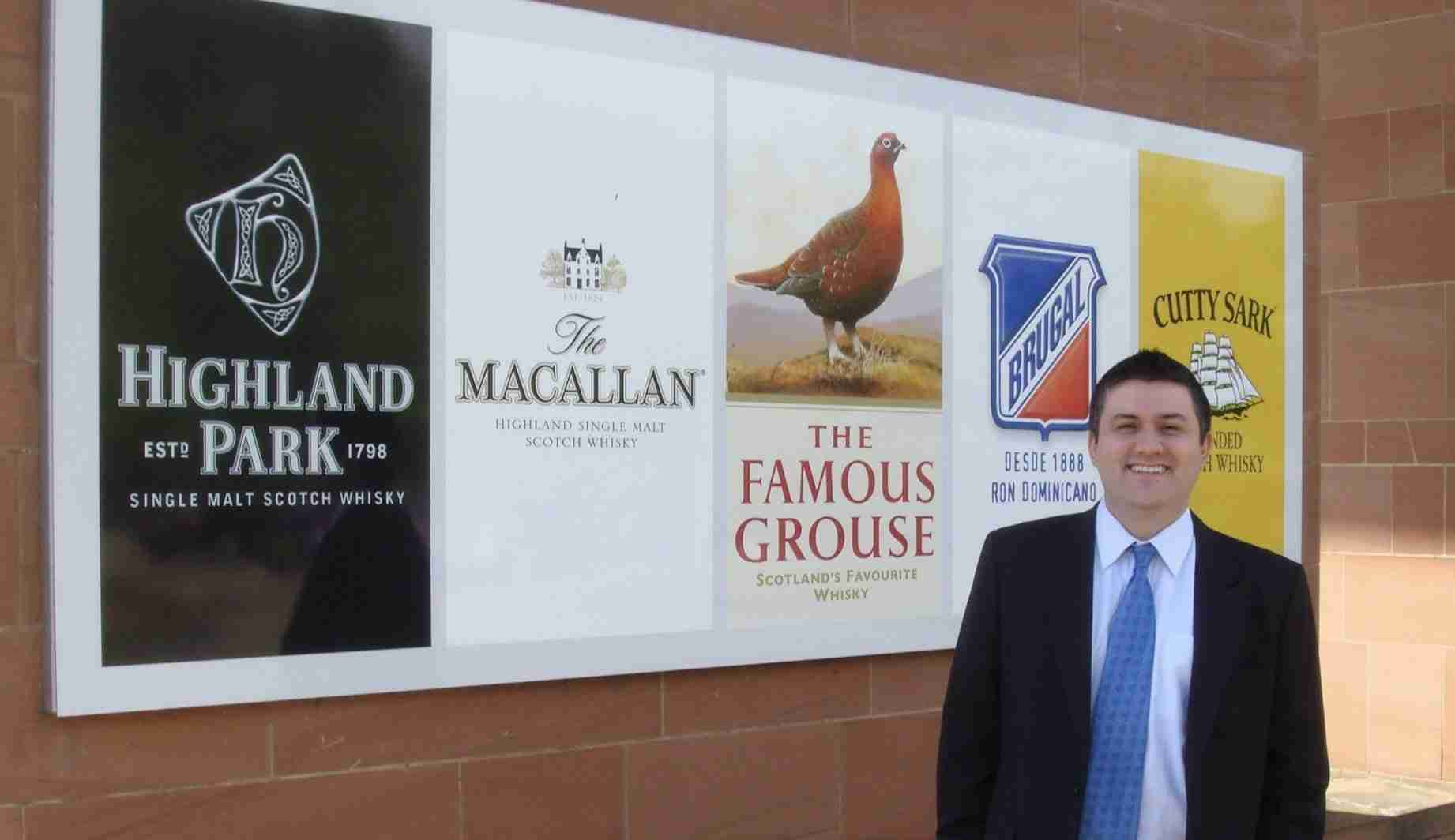
Scotch Whisky: Made in Scotland, Valued Worldwide
One of the most formative aspects of my career has been working across global markets. Scotch whisky may be produced in Scotland, but its reputation is shaped internationally. Joining Edrington in 2010 and later William Grant & Sons in 2012, allowed me to learn about international market development and exports, both within domestic markets and the global travel retail (GTR)/ duty free channel.
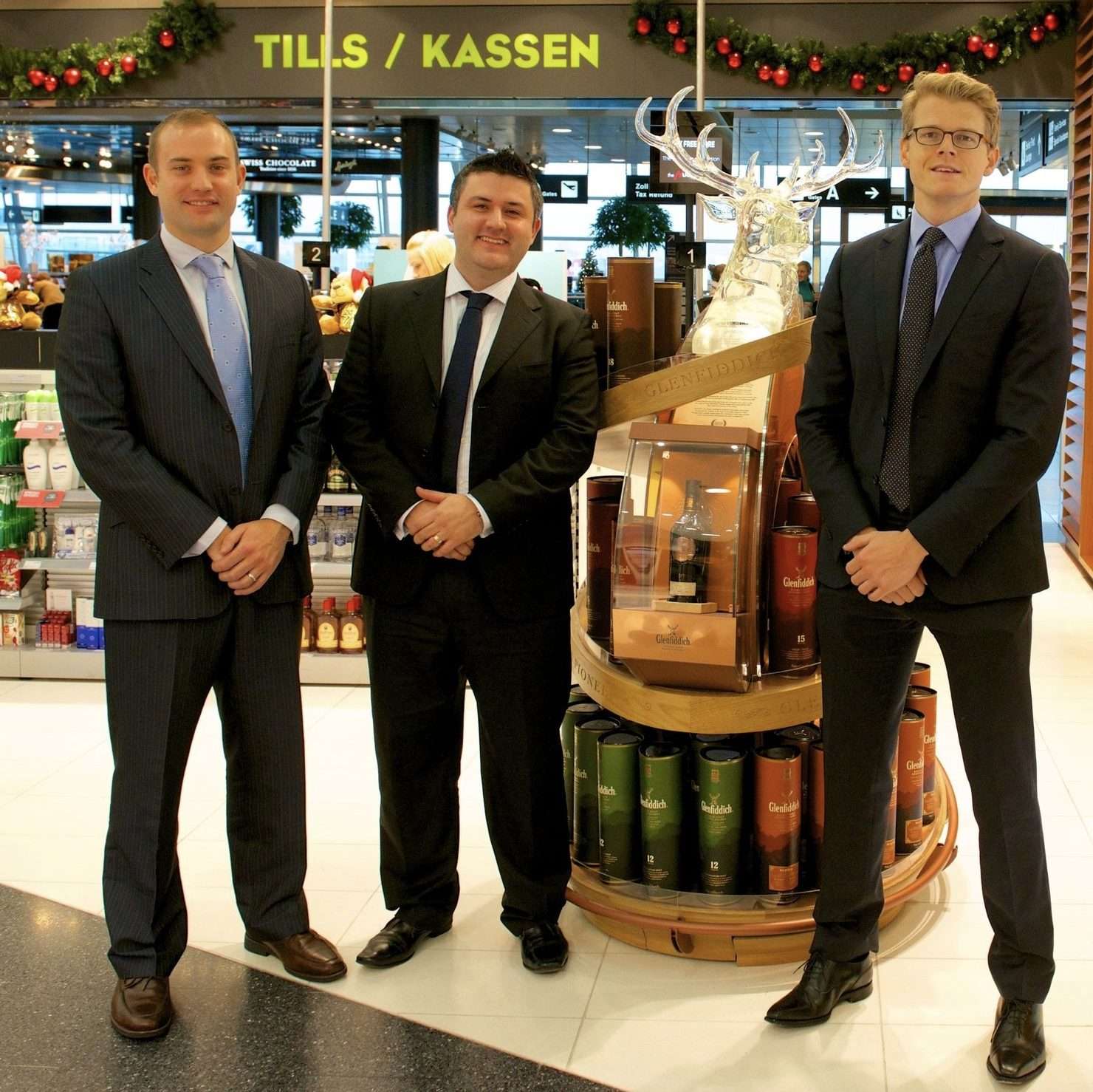
I had the privilege of working with some fantastic people in the whisky industry, such as Ian Millar at Glenfiddich Distillery, who helped to develop my own knowledge and understanding of the wider whisky business.
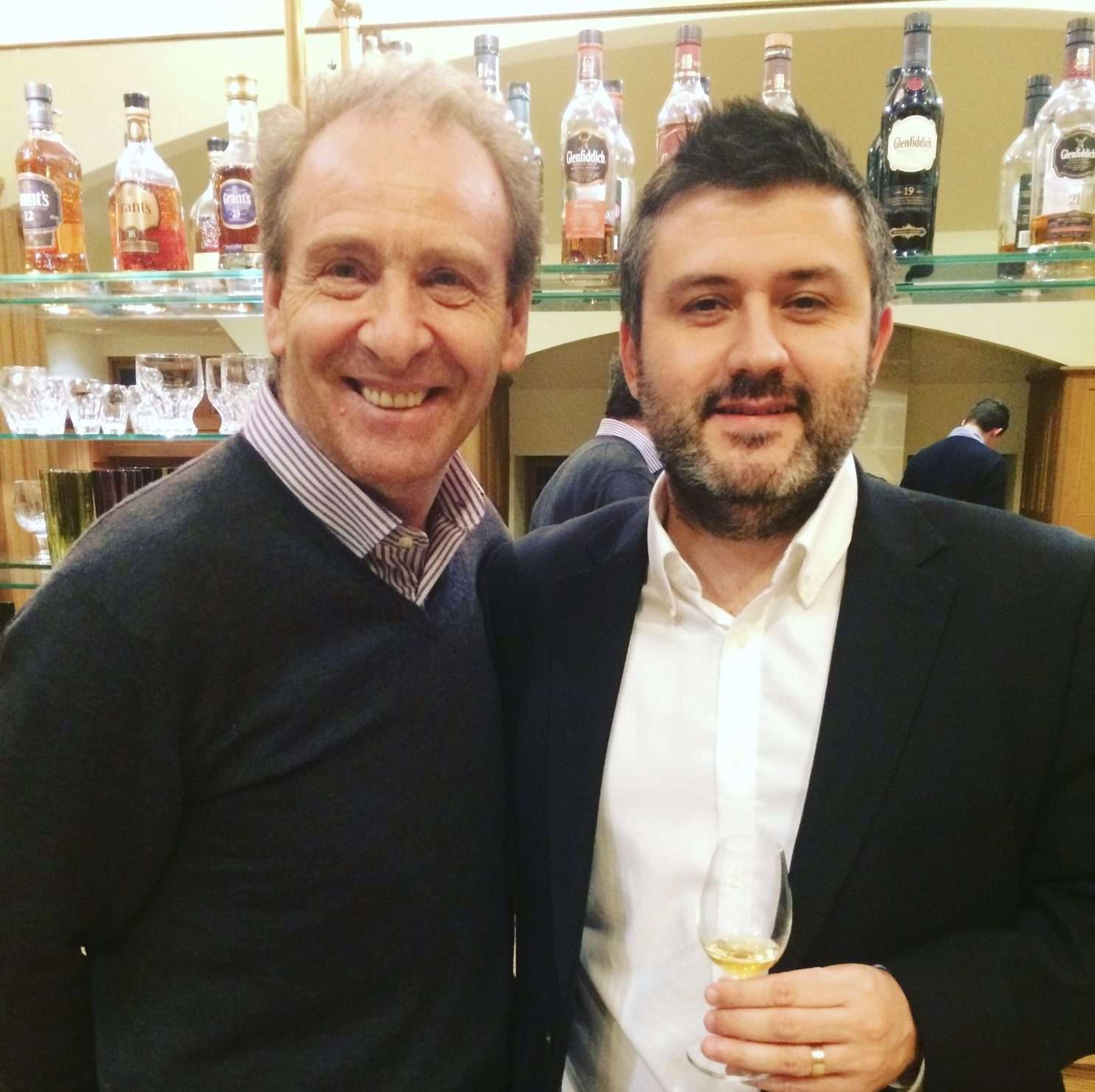
Two individuals I would like to single out are pictured below: Stewart MacRae (Edrington) and Rita Greenwood (William Grant & Sons). Having worked directly for both of them, I am grateful for their guidance and the role they played in shaping my career.


Different markets and channels (such as GTR) engage with whisky in very different ways: some prioritise heritage, age statements, and provenance whilst others focus on flavour discovery and experimentation.
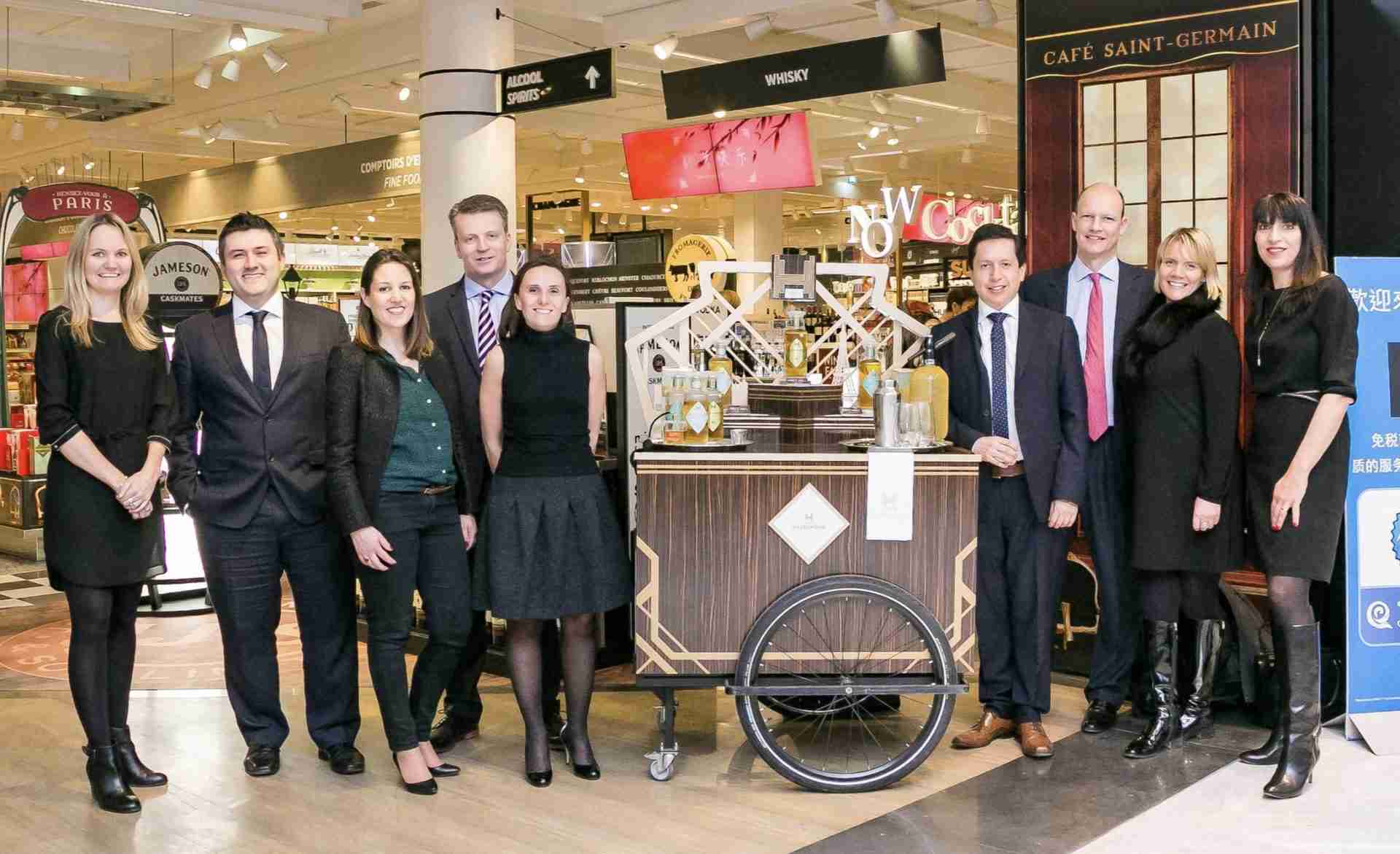
Levels of consumer education can also vary dramatically and this global exposure reinforced a principle that continues to guide my work: those involved in Scotch whisky have a responsibility not only to sell it, but to explain it well and share their passion for the products and wider whisky category. Education protects and helps to develop the Scotch whisky category value. Misunderstanding erodes it.
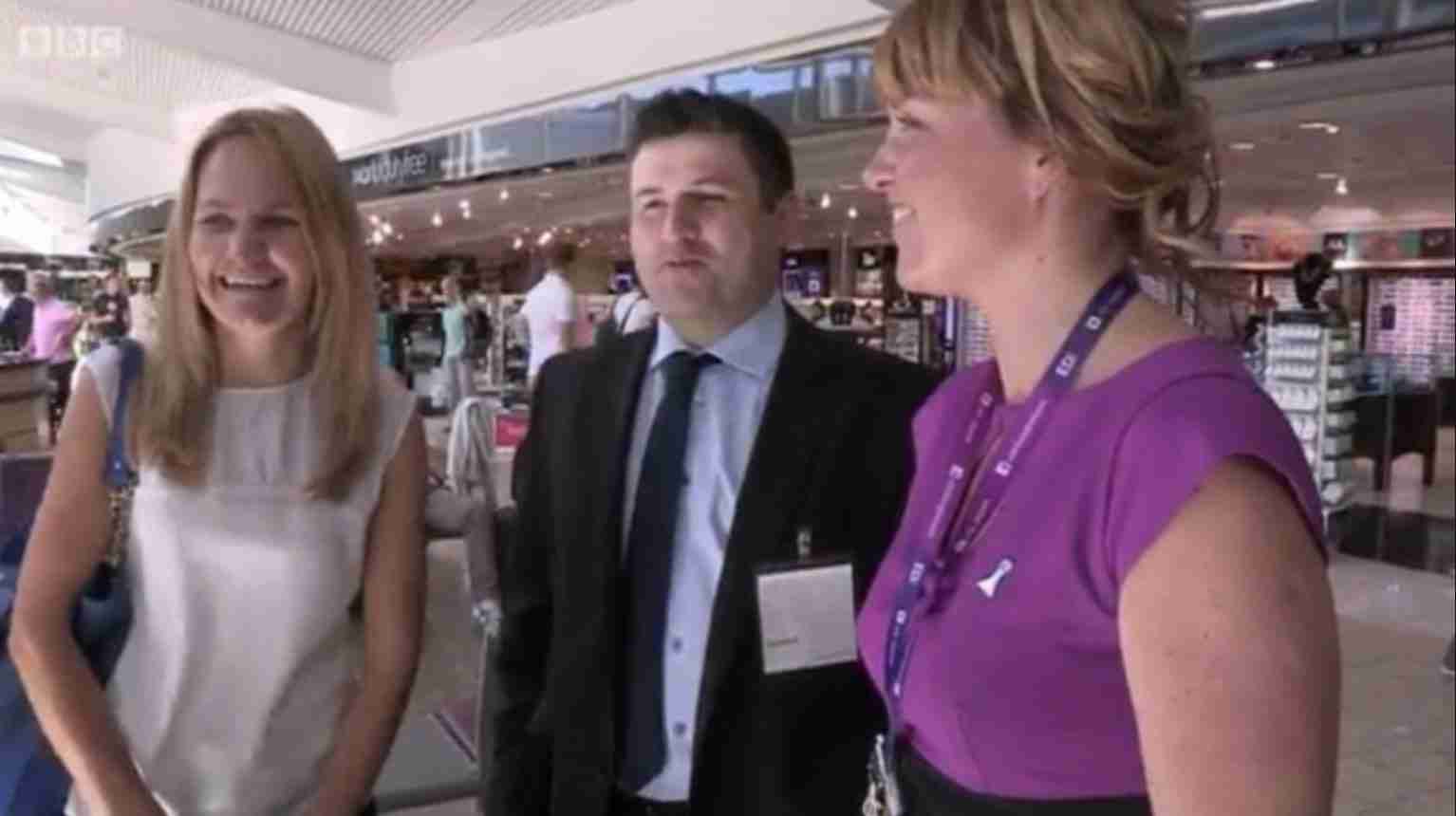
Bringing Scotch Whisky to New Consumers
In 2016, I was approached by Loch Lomond Group with a singular challenge: to bring their Scotch whiskies (Glen Scotia and Loch Lomond) to the Global Travel Retail channel to raise brand awareness and attract new international consumers.
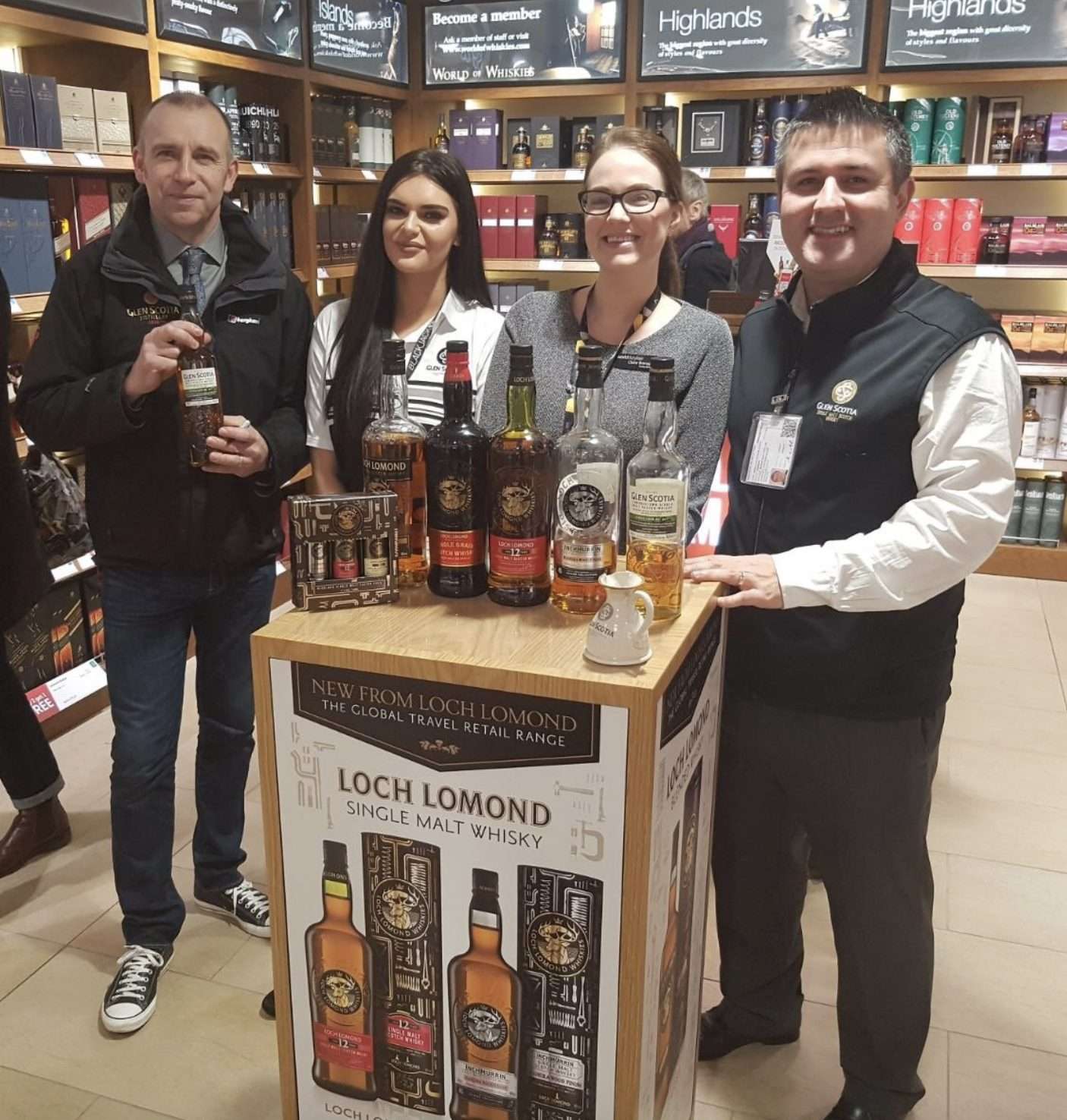
This was a unique opportunity to help develop the strategy and presence for the Loch Lomond Group’s whisky brands in the channel, including the brand new development of a GTR core range supported by brand activation and education, with the appointment of Route to Market (RTM) partners around the global with the right level of service and reach.
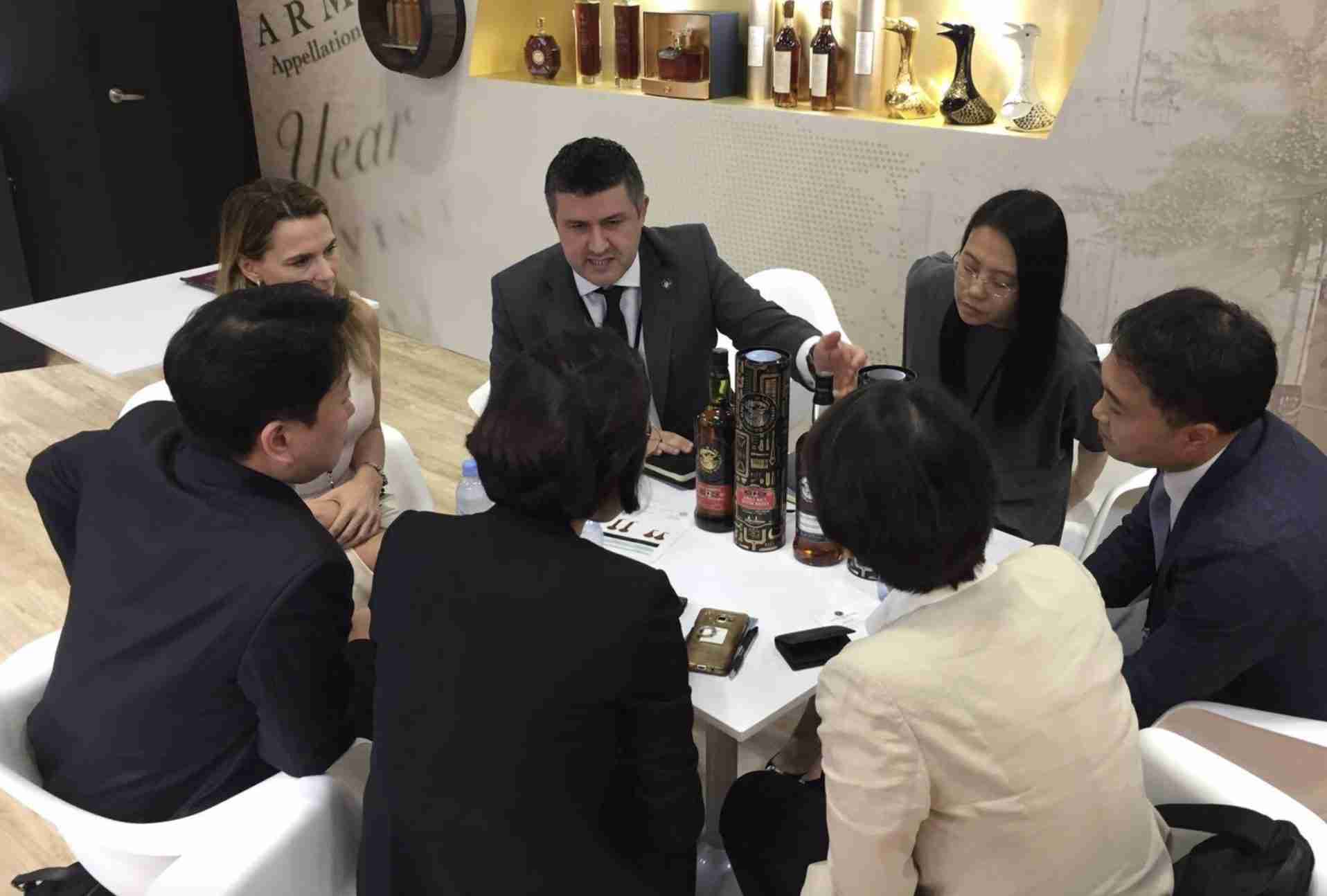
Education played a critical role in the success of the brands in the channel, with a lot of time spent externally with 3rd party staff (agencies, retailers, etc) and consumers in general to educate them on the Scotch whisky category as well as the specific brand story and information.
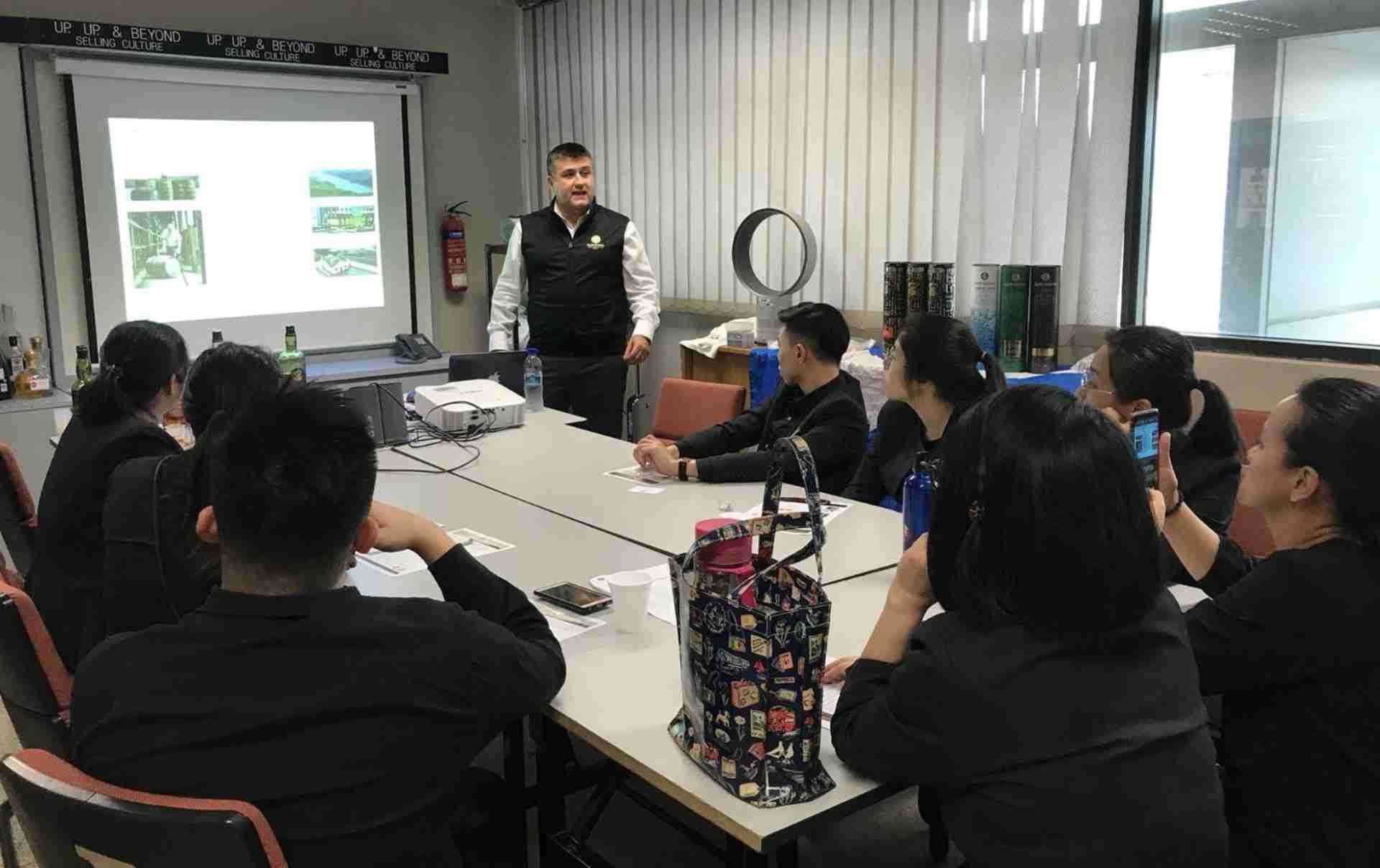
Engagement with the wider industry and participation in relevant trade events allowed me to spread the brand message more widely including the importance of the Scotch whisky category to the Global Travel Retail channel, as well as the importance of innovation and diversity within the product offer.
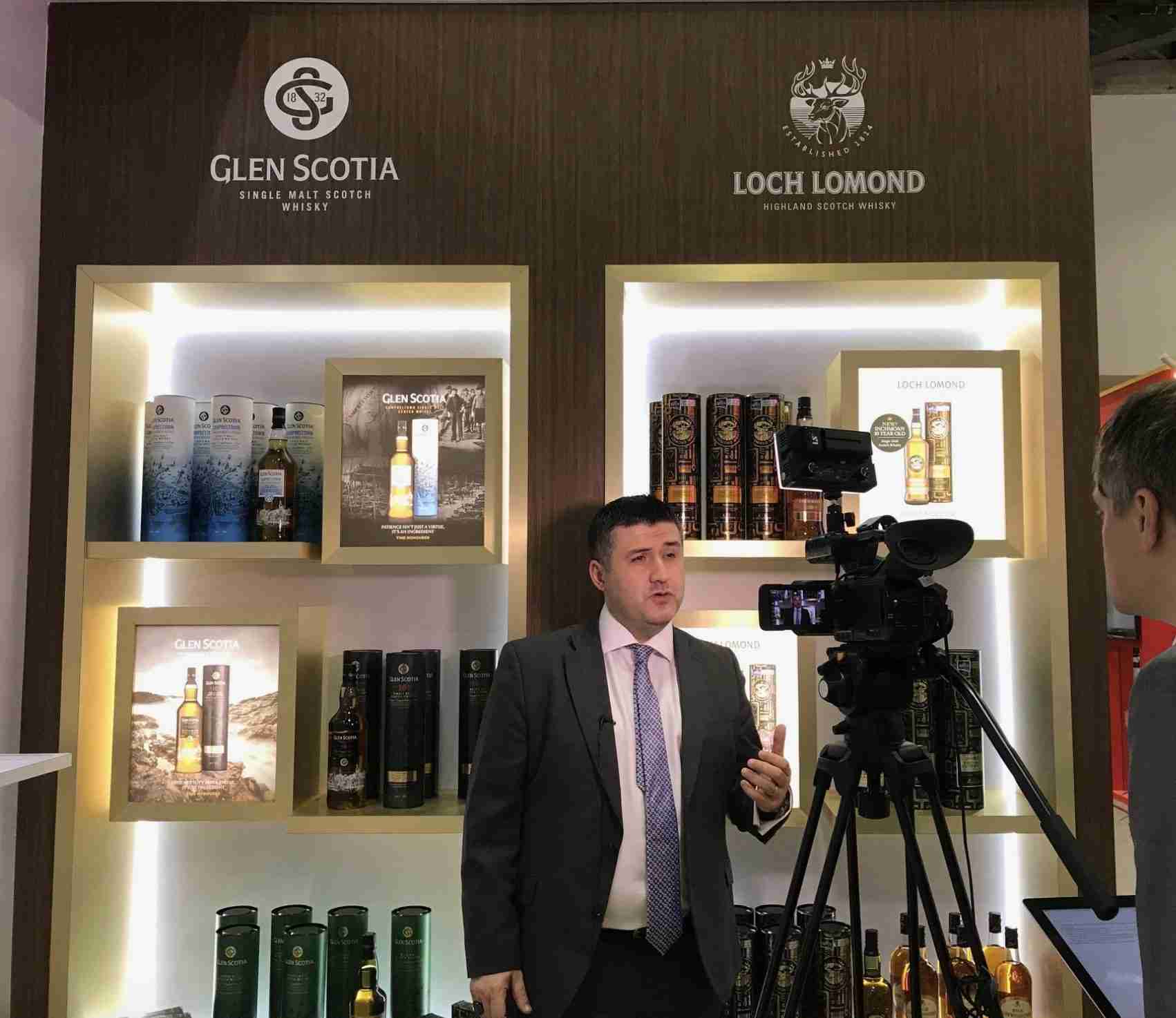
The Importance of Casks in Whisky Maturation
As my career progressed, casks became a central focus of my work. Oak can often be reduced to a marketing descriptor, but in practice it is one of the most complex and consequential elements of whisky production.
I currently work as an agent in the UK for both Tanoaria Josafer in Portugal and Tonnellerie Quintessence in France (part of the Independent Stave Company), representing and supplying quality oak casks to producers of whisky in Scotland and beyond.
Aside from cask sourcing, I have also been helping certain clients with cask management and maturation strategy.
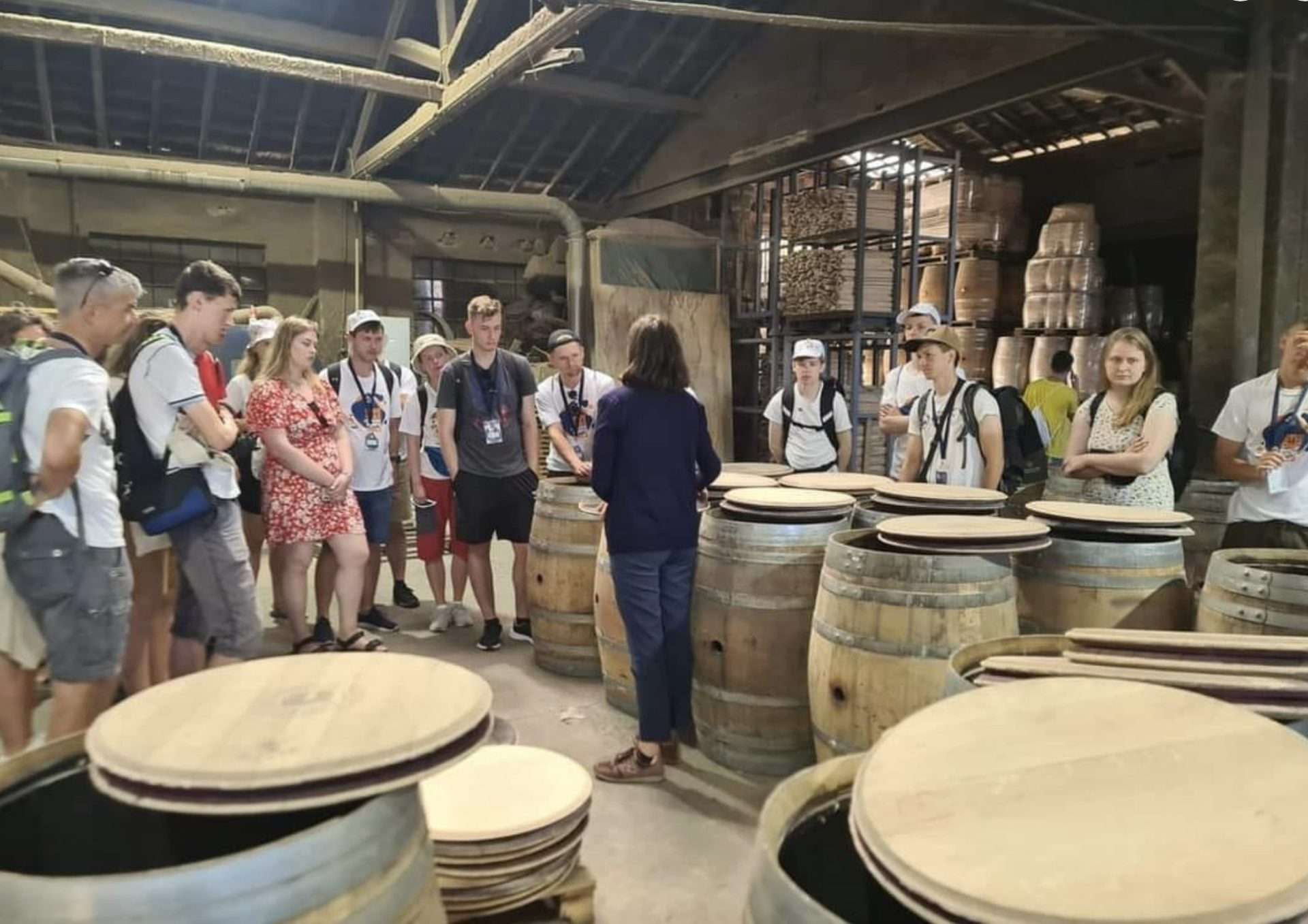
Working closely with cooperages and distillers has deepened my understanding of how different oak species and origins can affect structure and flavour; seasoning regimes (i.e. the maturation of oak wood staves) influence aromatic development; refill strategies determine balance and longevity and typically time, rather than intervention, delivers complexity.

Casks are not simply tools for correction. They amplify liquid quality but may also expose its absence. Wood can elevate the new make spirit into whisky of depth, coherence, and integrity.

Writing, Judging, and Giving Back to the Whisky Industry
Experience creates responsibility. At a certain point, it becomes important to contribute beyond commercial objectives.
This is why I write about whisky and founded the website Inside the Cask 10 years ago: to provide a platform for information and insights about Scotch whisky, specific channels such as Global Travel Retail, careers, and the realities of working in the drinks industry — beyond surface-level storytelling.

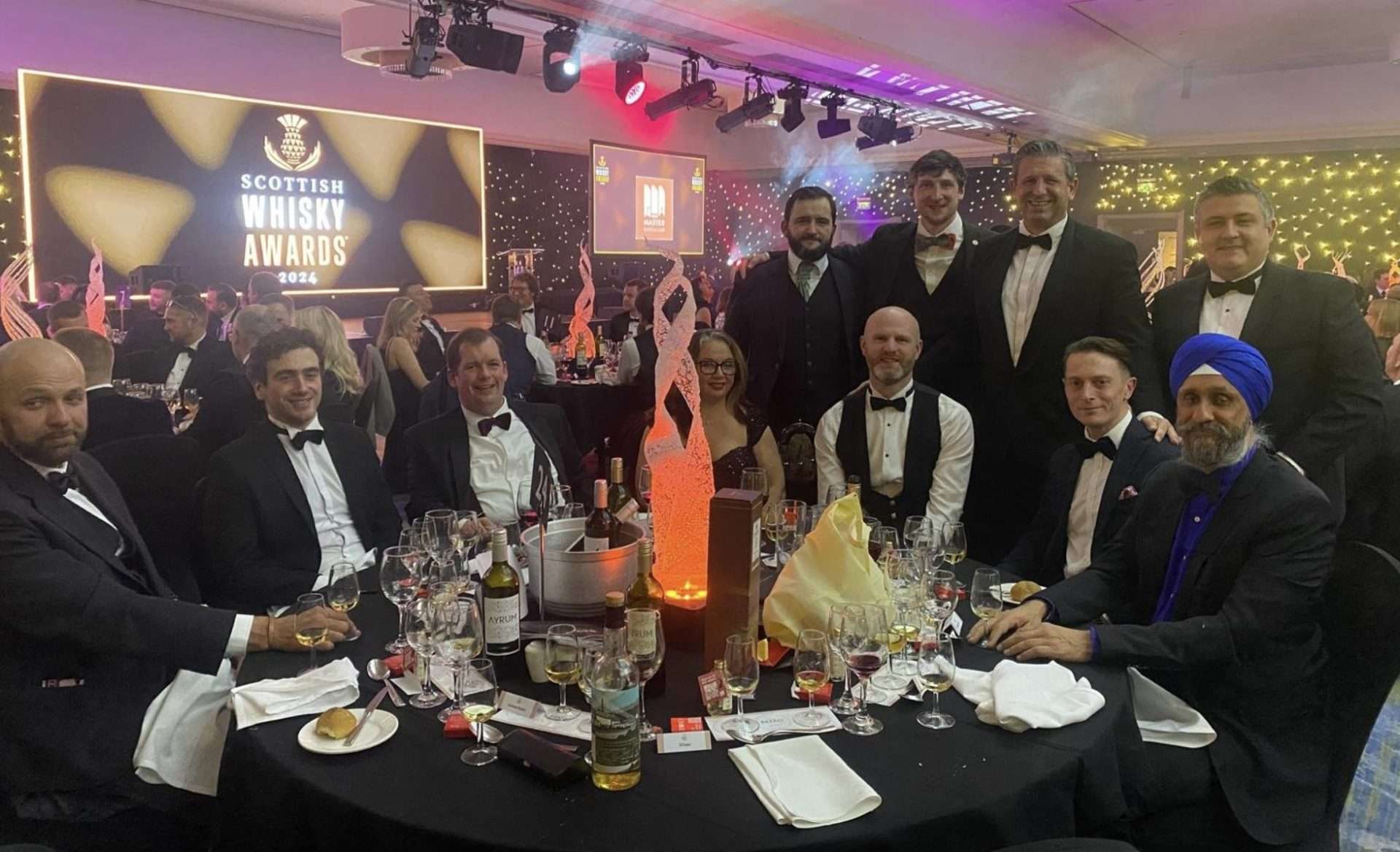
Alongside writing, judging spirits at international competitions such as Spirits Selection by CMB and the Scottish Whisky Awards has been another part of my journey. Judging removes brand context and focuses attention on what matters most: the liquid inside each bottle.

It reinforces an essential truth: Scotch whisky remains strong because standards matter — and because people across the industry care deeply about protecting them.

Bringing Scotch Whisky Brands to New Markets
As part of my passion for bringing a wider diversity of Scotch Whisky to consumers, I have continued to try and bring new brands to South America (primarily Brazil, both directly and indirectly), although recently this has also included Hungary and Kazakhstan.
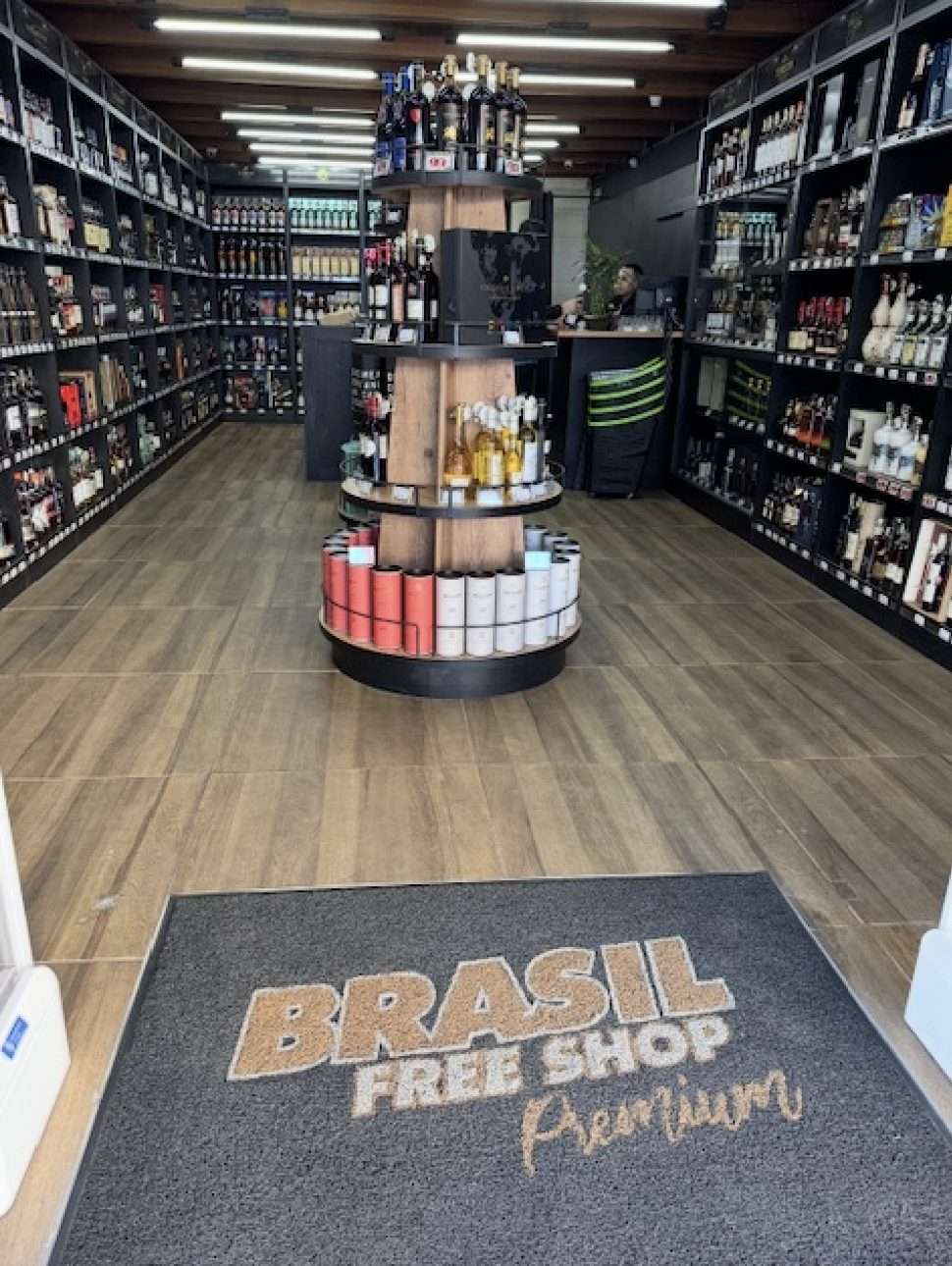
To date, I have consolidated orders in Scotland and brought stock from over 35 suppliers in the UK to these new markets for the 1st time, including independent bottlers such as Brave New Spirits and Duncan Taylor Scotch Whisky to distillers such as Bladnoch Distillery and Nc’nean Distillery. This means a much wider diversity of Scotch whisky products in particular, available to consumers in these countries.
For reference – ‘Reflecting on the Spirits Market in South America’

What a Career in Whisky Has Taught Me
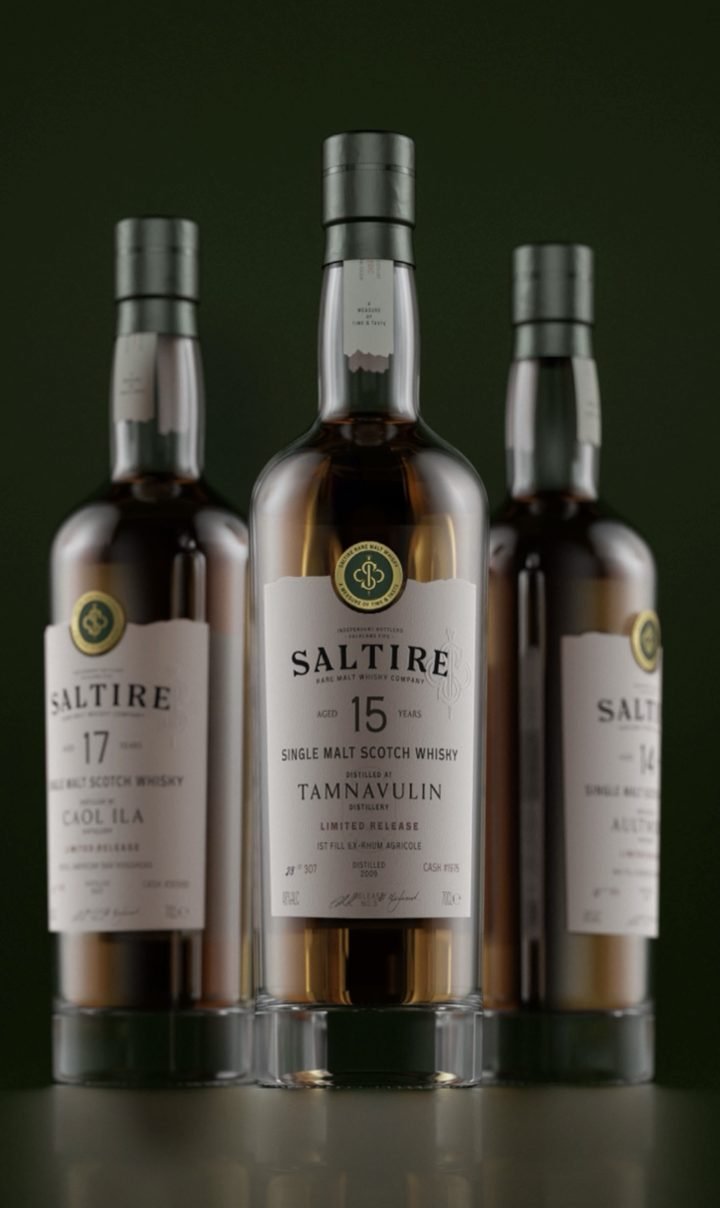
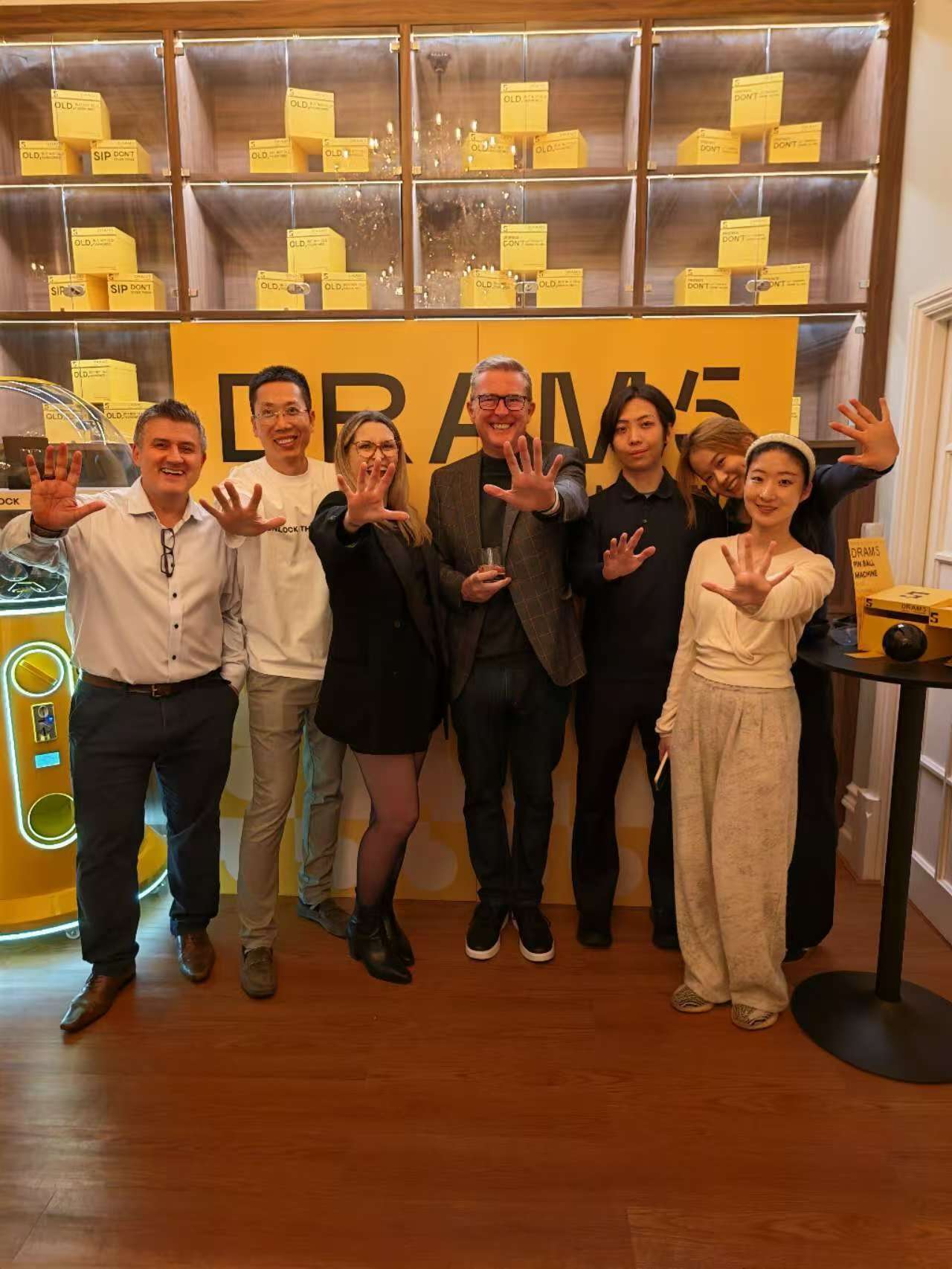
After two decades of professional involvement, I am now working under my own company (Inside the Cask Ltd) sharing that experience and learnings with other companies and helping to bring some new products to market, such as the recent examples of independent bottler Saltire Rare Malt and Dram5 whisky blind box.
Whisky continues to offer lessons that extend well beyond production:
Consistency is hard to achieve but invaluable
Reputation is built slowly and credibility can be lost quickly
Long-term thinking benefits people you may never meet in future
Scotch whisky is fundamentally a medium to long-term endeavour. Companies that succeed in it think in generations, not quarters.
Looking Ahead: Stewardship of Scotch Whisky
My whisky journey is ongoing. The industry continues to evolve — technically, commercially, and culturally — bringing both opportunity and responsibility.
What remains constant is my belief in Scotch whisky as a product of integrity, craft, and collective stewardship. Each generation borrows it from the next. My role — through consulting, writing, judging, and education — is to contribute knowledge, clarity, and perspective so that what follows is as strong as what came before.
That belief began with a distillery visit at 18. It has shaped everything since.





0 Comments