

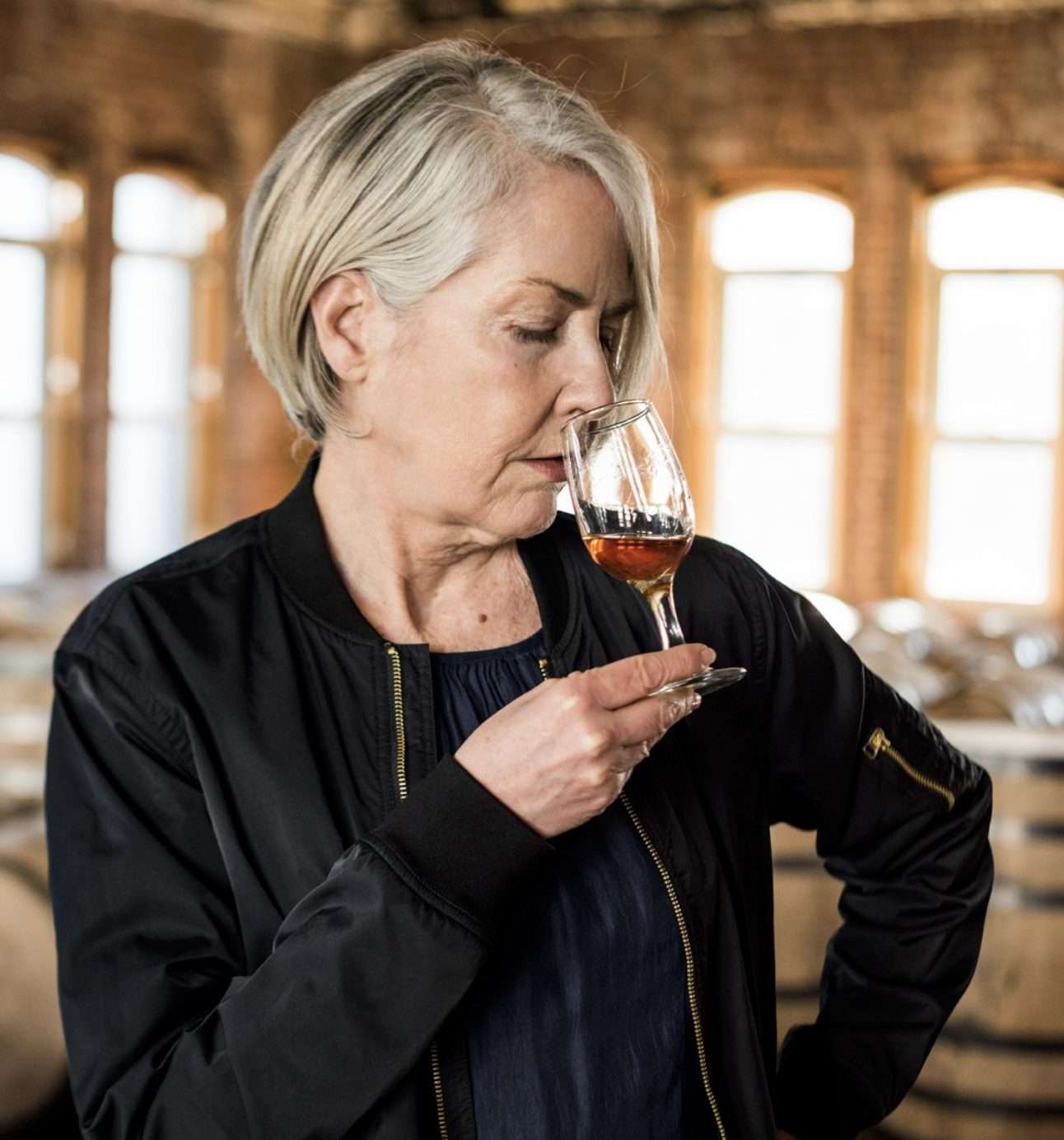
Lia Niskanen is a dedicated storyteller and passionate whiskey advocate. She is also an Executive Bourbon Steward (Stave and Thief Society) and the founder of Barrel Strength Talent, a whiskey events and education business based in Brooklyn, NY, as well as an approved course provider for the Edinburgh Whisky Academy. We met in New York a few years ago, and Lia was kind enough to agree to my invite and to spare some time to talk with Inside the Cask.
Inside the Cask: Hi Lia, you are a Whisky educator and entrepreneur as founder of Barrel Strength Talent. However how did it all start for you? Where did the interest in drinks, and more specifically on whisky come from?
Before I got into the whiskey business, I worked as an independent tour guide, a gig I really enjoyed. It involves doing independent research into a wide swath of subjects, honing your storytelling chops, and also a bit of showmanship. It really teaches you how to work a crowd and gauge what their interests are.
I had loved whiskey my whole adult life… I just found it so damned mysterious and enigmatic.
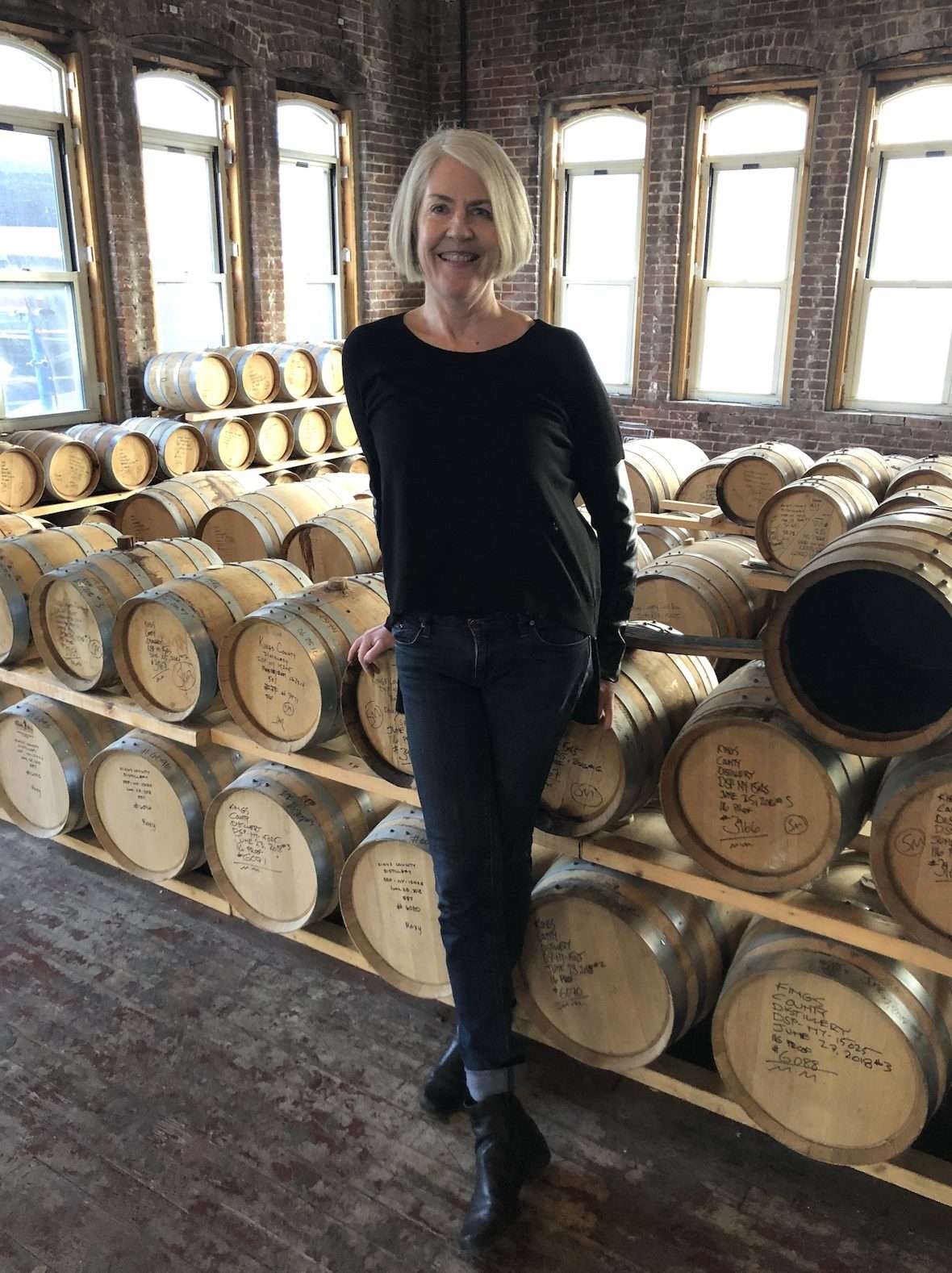
Every time I took a sip of it, I just went, holy cow, how did this end up in my glass? One thing led to another, and I got into the whiskey industry by going down to Kentucky and working as a tour guide on the Bourbon Trail for a while. When an (at the time) relatively new distillery in Brooklyn (Kings County Distillery) contacted me about becoming their first director of tours and events back home, I jumped at the chance to bring everything full circle.
I have to say, I loved that job so much. Being in a distillery everyday- what’s not to love? I got to train tour guides, create super cool events, and, most importantly, be a fly on the wall when a blend was being created, or a still was being run. Working in a distillery gave me so much insight into the importance of each person’s role in the whiskey making process, so after a while this spark went off in my mind: What if I could create a whiskey talent agency? That’s how Barrel Strength Talent was born. The model was loosely based on a highly curated talent agency, where anyone that wanted whiskey education or events could come to us and I would create a bespoke experience for them, either with myself, or with a distiller or blender, or cooper, depending on their interests. As part of this model, I do in depth interviews with distillers and spirits makers on a regular basis for my website blog, so anyone who wants to can learn about their process in a more focused way.
Inside the Cask: You are an approved course provider for the Edinburgh Whisky Academy (EWA). What type of education are you looking to deliver in the USA on whisky? How did you become involved with the EWA and gain approval to deliver their courses?
A few years ago, a colleague in the whiskey business reached out to me and said the EWA was looking for someone to teach their curriculum in NYC, and that they had put my name forth as a course provider candidate. Kirsty McKerrow, their director, came over from Scotland and met me in the city, and we had a lovely chat about whiskey education and our philosophy about it. Next steps for me were to take their Advanced Course in Single Malt Whiskey to be approved by the EWA as a teacher. I will say right up front that it is an extremely challenging certification exam, but the benefits of studying the material are invaluable: It’s the best and most comprehensive course out there in that category, bar none.
Since then I’ve been teaching a two day course in Sensory Appreciation of whiskey, here in NYC, for the EWA over the past few years and absolutely love it. The course guides students in deeply evaluating whiskey, and allows them to get in touch with the nuances of their palate, and sense of smell. The course also teaches a seasonal way of approaching whiskey and food pairing which is brilliant, while also illuminating where whiskey flavor is born, during each step of the production process.
In 2026, I will be giving one of the first ever courses in American Single Malt whiskey, in tandem with the EWA and the American Single Malt Whiskey Commission, and I am beyond thrilled about it.
This new whiskey category has yet to be widely understood, and getting in on the ground floor of education around it is great. I’ll be giving that two day course in April at Kings County Distillery in Brooklyn, and students will not only benefit from the amazing curriculum, but also distiller talks, comparative tastings, and a tour of the working facility during the seminar.
Inside the Cask: What is it like being an Executive Bourbon Steward as awarded by the Stave & Thief Society? Can you tell us more about it for those of us that may not be as familiar with it?
Of course! The Executive Bourbon Steward certifications are offered through Moonshine University in Kentucky…what a great name, right?

These courses are excellent for anyone looking to upskill , whether they be industry educators like myself, or whiskey enthusiasts looking for a career change. They offer hands-on courses from the top experts in distilled spirits, and also teach a six day course in distilling for those wishing to produce their own spirit.
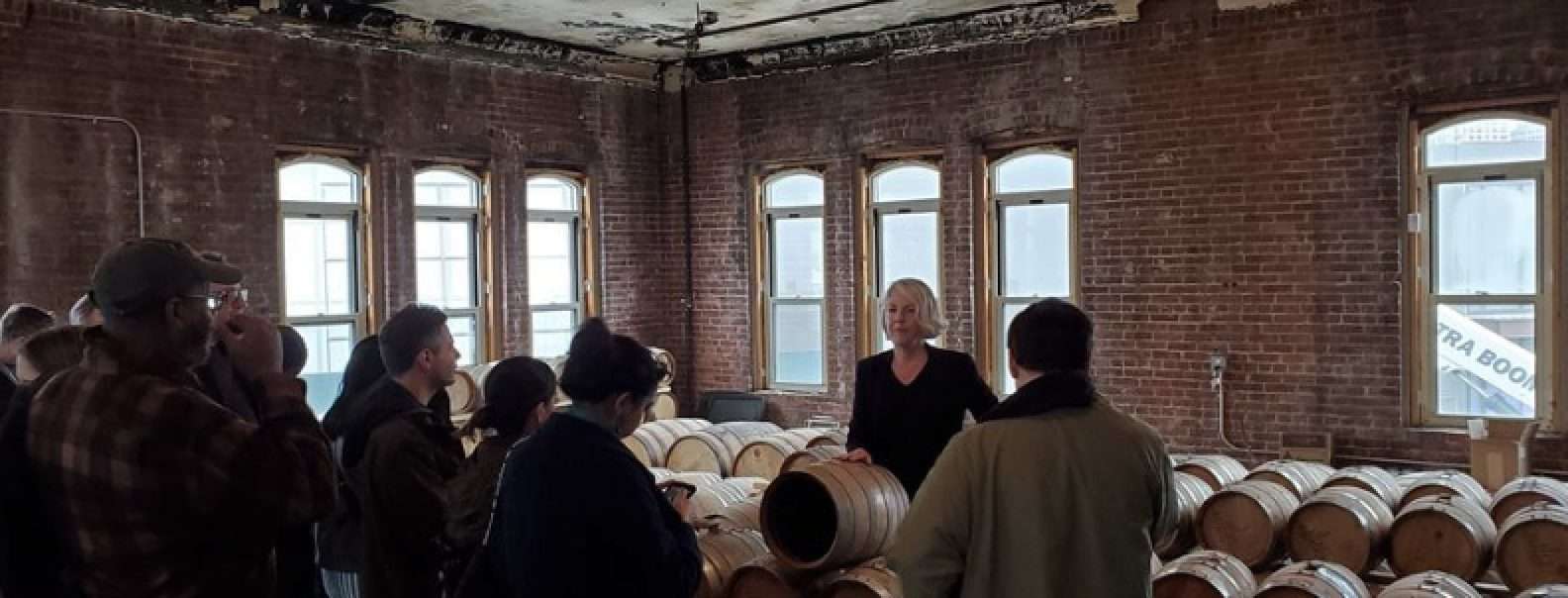
Now, I must admit, I was a bit sneaky about getting myself into the Executive Course! At the time, I was working as the manager of tours and events at Kings County Distillery in Brooklyn, as I said, and had heard great things about this certification. So I called Moonshine U and said, “Hey, have you ever thought about bringing this course to NYC? We would sure love to host it here.” They thought it was a great idea, so people got to book the course taught by their education director in Kentucky, here in Brooklyn, and as a fair trade, I got to take the course. It’s a good thing I passed, because it would have been pretty embarrassing if I hadn’t! It’s a fantastic course in all things Bourbon, and I couldn’t recommend it highly enough. And I would add that it has certainly become one of my top bona fides when it comes to encouraging corporate clients to book Bourbon tastings with me.
Inside the Cask: As an educator, you have delivered multiple courses to audiences seeking to learn and develop their knowledge on whisky and other spirits categories. How do you prepare for these sessions? What has surprised you the most? What are the most misunderstood areas relating to whisky from your experience teaching?
What a great question. I do a lot of research for these courses, and for any event I do. For the courses, there is an established curriculum, but I always do a deeper dive into each topic presented, relying on my favorite source material but also seeking new information and interesting stories around whatever I am preparing for.
I have a pretty solid library of whiskey books at this point, and that really helps!
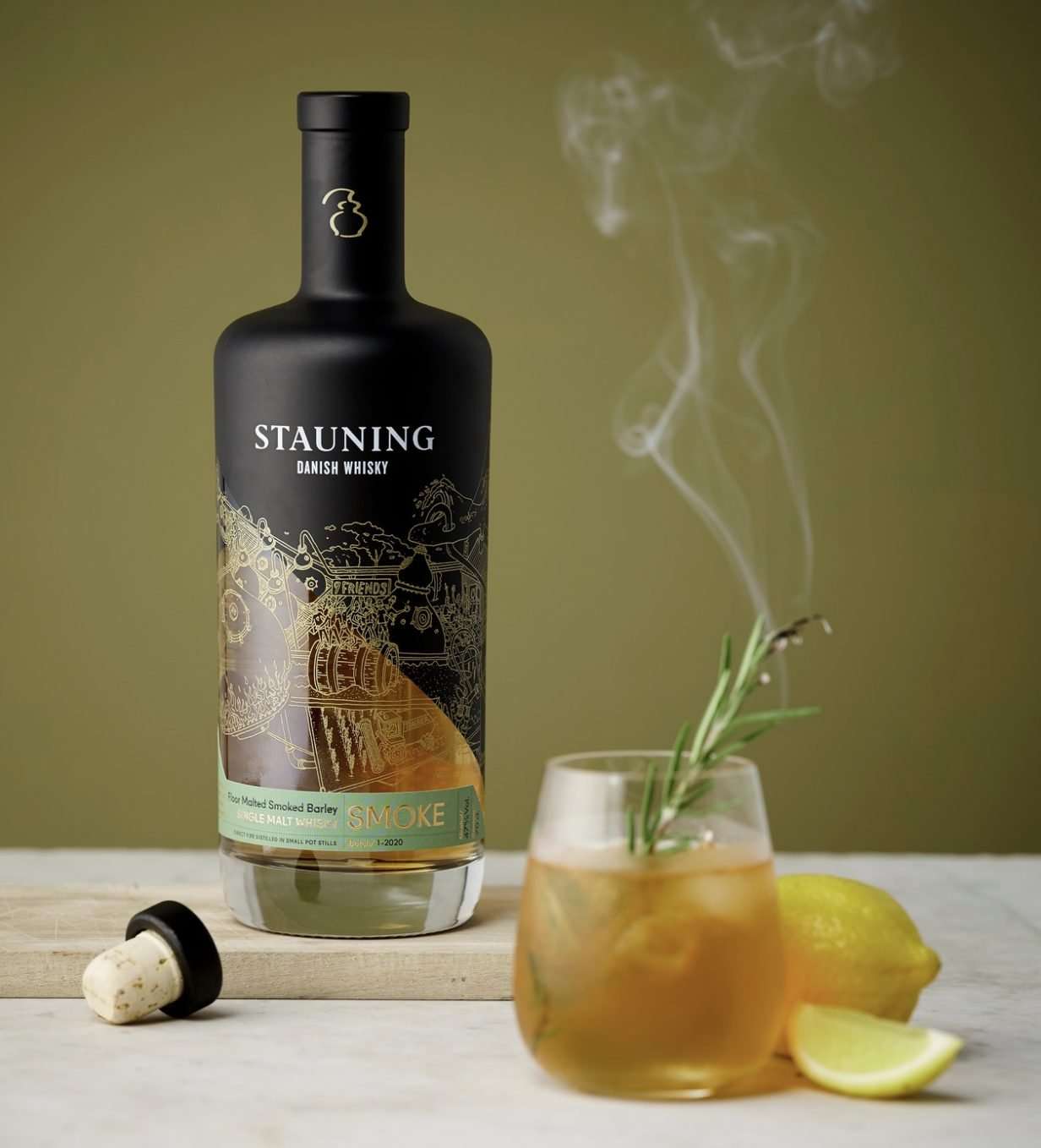
I also follow Dave Broom’s website pretty religiously, as well as a few others. For events, I do the same thing: For instance, I have been doing some events focused on Stauning whisk(y), from Denmark, over the past few years, and that has been a real trip, learning about Danish culture. I always make it a point to contact the distiller whose whiskey I’m presenting directly, and just having a good chat with them about their process really gives me an edge.
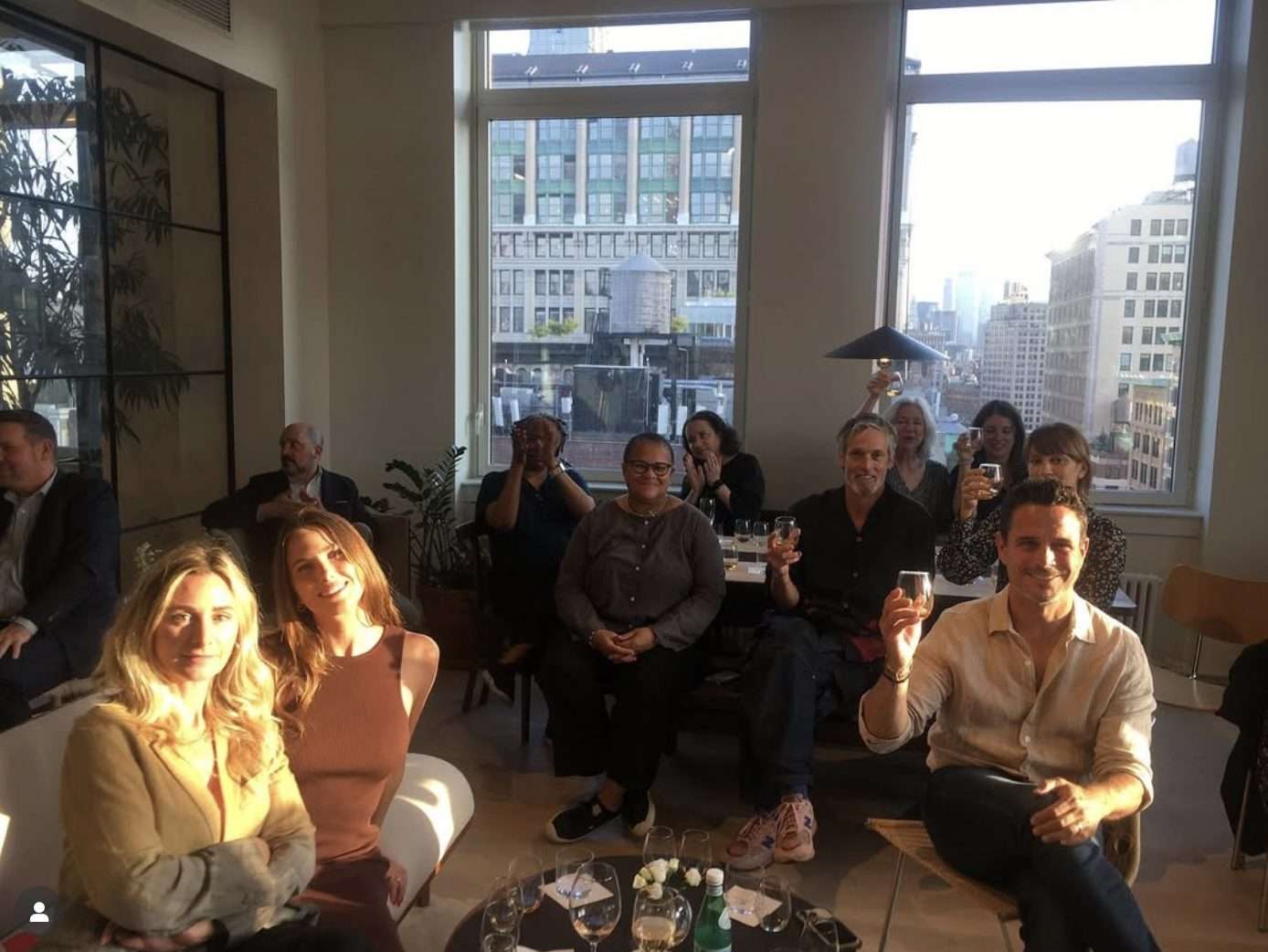
I’m always surprised by the camaraderie which forms between students during the courses. People really bond over whiskey, we laugh a lot, and many of my former students have become great friends. I’d say, in general, that the depth and breadth of decision making on the part of the whiskey producer, and the hundreds of decisions they must make during the process is widely misunderstood, but when people start to understand that, they realize how important contribution whiskey is, and what a fantastic combination of art and science it is.
Inside the Cask: Whisky remains a large and popular drinks category globally. Any up and coming trends or brands to watch out for in the category? As you are based in the USA, what can you tell us about the American whisky market and consumer?
I am really excited about independent bottlers. I think they are adding something incredibly important to the whiskey category, and there are some great ones in the U.S. now.
Not everyone can afford to start a distillery, but if you have grit, good taste, and a sharp sense of curation, you can put out some really fantastic product that might never have seen the light of day otherwise. The folks at Lost Lantern in Vermont are putting out some banging bottles, and of course there’s Single Cask Nation run by Joshua Hatton in Connecticut: Their stuff is mind blowing. A lesser known upstart is Borrowed Page, run by my friend Devin Ershow in Colorado,and they are doing really exciting bottlings based solely on American product.
As we all know, there is lots of affordable aged whiskey out there right now just sitting in warehouses, and it’s actually a great time for a non distilling brand in the American Whiskey category. I think the everyday American consumer feels alienated by the high priced bottles, and for good reason. But they still want, and will pay for, a whiskey or spirit they can relate to, and want to get behind a local brand that is affordable.
Inside the Cask: Can you tell us more about your personal background? What else are you passionate about?
Well, I’m American, but my Father was from Finland, and my mother’s whole family is from Scotland, so I was pretty much born to be a whiskey lover! I’m also pretty typically American, in that I was, and am, influenced by a wide variety of things: I grew up in Virginia, so there’s the southern thing, the cooking and the culture and history of the South, and I’ve have lived in New York City for over 30 years now, and consider myself a New Yorker. I’m an avid reader of books and am incredibly interested in all the arts, but I’m especially interested in cooking and the mastery of great restaurant chefs. Anytime a book comes out by a famous chef, I’m on it. Those people are gods, in my book. Second only to distillers, of course!
Inside the Cask: What would be your advice for anyone else wanting to work in the drinks industry?
You know, I always give everyone that asks me that question the same answer and always will: Go work in a distillery for a while. Go get any kind of job in a place where they make spirit, even if you are the low man on the totem pole at first. You will never truly learn and understand the day to day process of making spirit, and all the challenges that come with it, unless you are in a distillery physically, day after day, working with, or at least adjacent to, the people who make it and blend it and barrel it.
This experience was invaluable for me, and helped to set me apart from the pack when it came to starting my own business.





0 Comments