
The Importance of Oak
Oak is ideally suited for the the manufacture of casks and the maturation of whisky due to its properties:
- it is malleable, i.e. it can be bent into shape without breaking
- it is low in resin compared to softwood – note that resin prevents the cask from breathing
- oak contain tyloses which block the conductive vessels in the wood, making it less porous and less prone to leaking compared to other wood types
- oak contain thicker medullary rays than other types of wood which minimises leaking whilst providing strength and flexibility

Source of Oak Wood
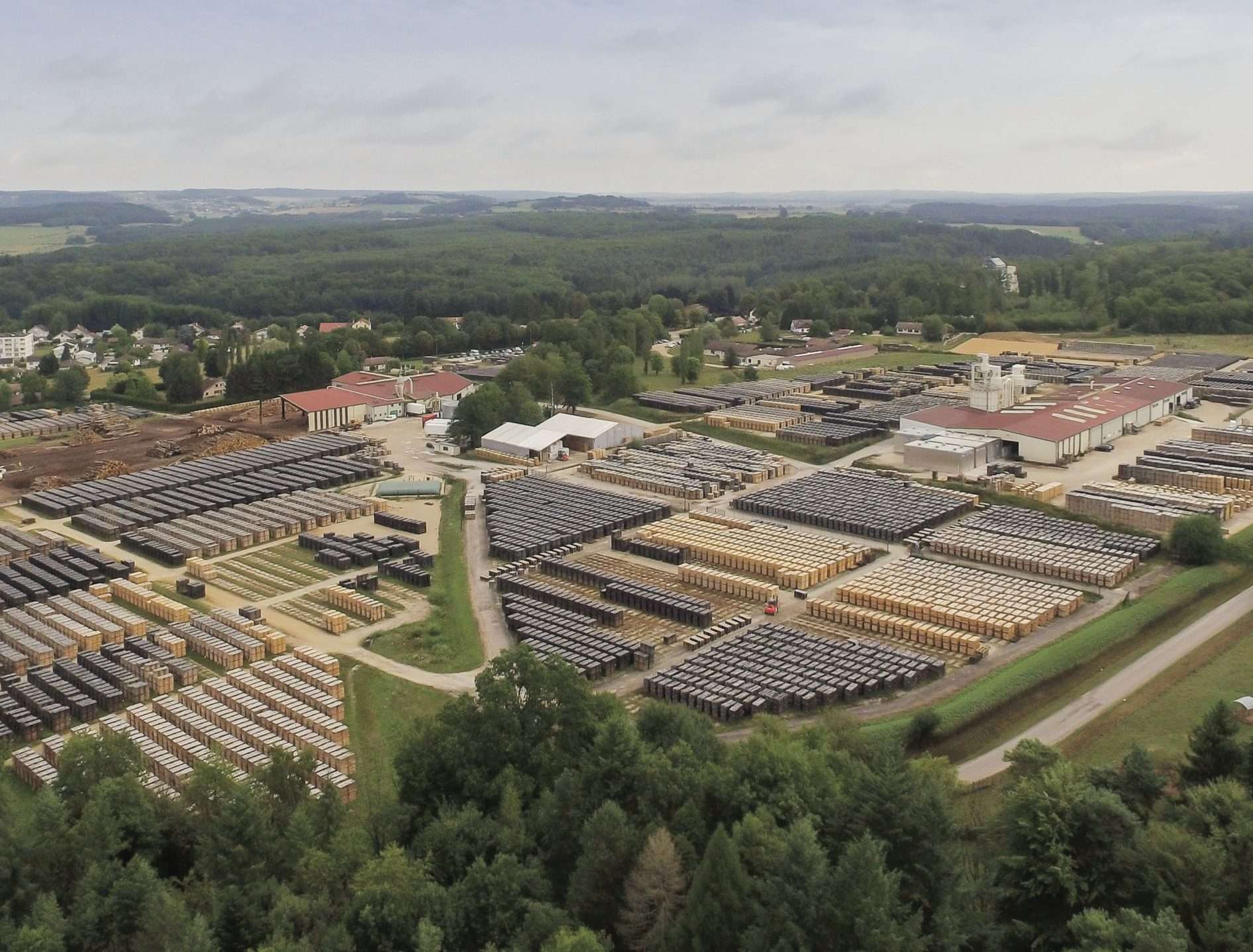
Oak wood used for cask production comes primarily from the USA and Europe. Oak is an excellent choice for crafting casks for whisky maturation because it contributes a wide variety of desirable flavours, it is porous allowing the oak extractives to be more accessible, and oak is liquid tight when quartersawn (American oak) or split along the grain (French/European oak).
American Oak
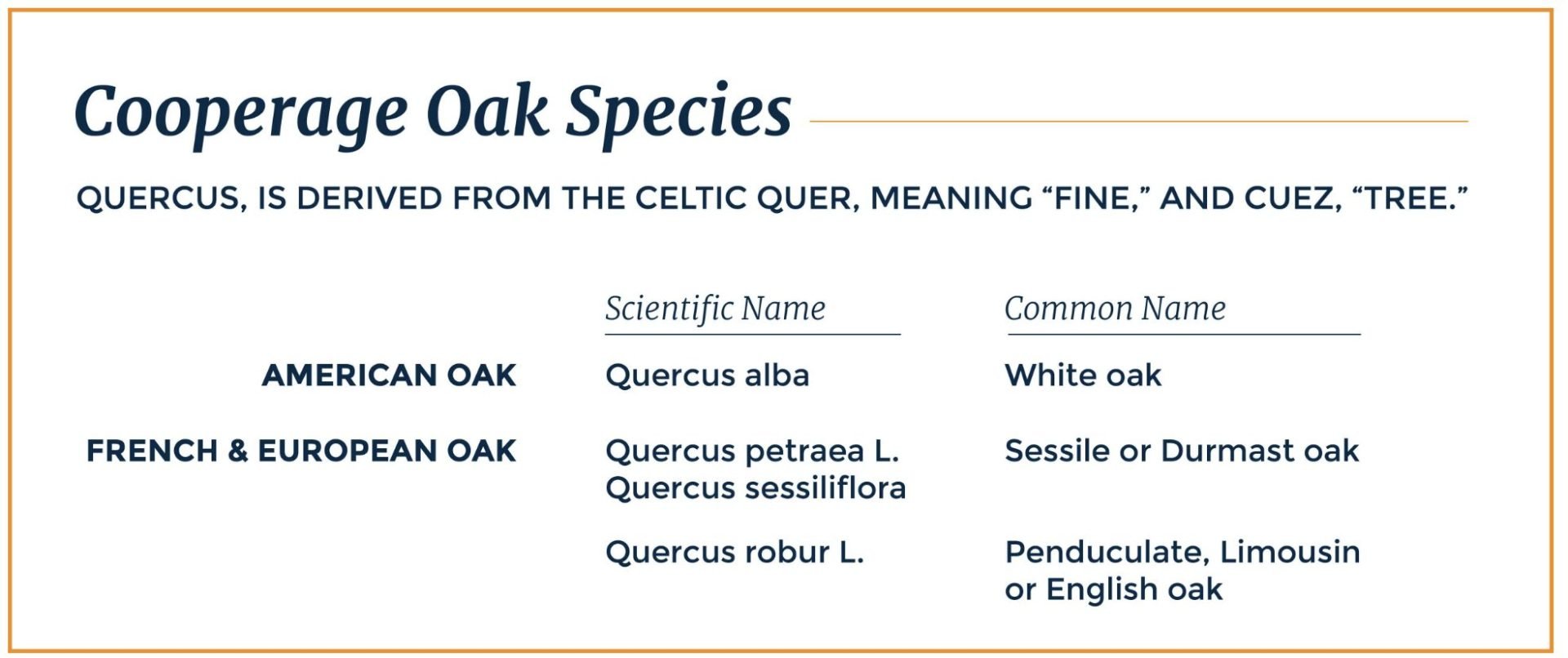
In the United States, oak is densely populated in two main regions: the Ozarks and the remains of the Appalachian chain. These regions have an abundance of cooperage quality American oak (Quercus alba).
American white oak grows faster and can typically be cut down after around 70 years to be used for cask production.

French and European Oak
Across the Atlantic, forests in France and Eastern Europe also offer ideal conditions for slow tree growth, it usually takes around 200 years before the trees are cut down. The two species Quercus petraea and Quercus robur exist in nearly equal proportions.

Heat Treatment – Toasting and Charring
Although the final flavour of whisky can be impacted by the oak species during the maturation process, almost all casks are heat treated – casks are usually toasted or charred – and this will have a significant impact given that without it, the oak would impart a very limited amount of colour and flavour to the new make spirit.
When we char or toast a cask we induce a chemical change in the wood which forms numerous aromatic compounds that marry with the distillate during maturation. Oak is comprised of very few constituents. Of these, hemicellulose and lignin are uniquely important to flavour development in oak matured spirits. By applying differing heat intensities for set lengths of time, we can control the formation and the breakdown of specific aromatic compounds that are derived from these two constituents.

Why toast before charring? (extract from ISB Barrels blog)
A charred cask has two layers – a char layer and a red layer. While the char layer serves as an important filter to remove off aromas and odours, it provides little flavour to the spirit. Because the charring process involves intense amounts of heat most of the compounds we would consider favourable are destroyed in this layer.
The majority of the flavour we get from a cask is in the red layer which resides just behind the char layer, deeper into the stave.
As we go deeper into the stave, the heat from the charring process becomes less intense and it’s in this temperature zone that all the “yummy” compounds are created and maintained. Casks are toasted with a less intense heat which allows the red layer to become significantly thicker than in that of a charred cask.
The result is a cask with a greater concentration of extractives available for the taking, creating a unique flavour profile in the spirit. After toasting, spirit casks are still charred to benefit from the char layer’s filtration properties. However, the thicker red layer from the toasting process remains.

What happens inside the Cask during Maturation?
Flavour development in barrel aged spirits is a complex process. Addition/ subtracting/ oxygenation/ concentrating flavour

1. Additive Reactions
a. Flavour compounds from oak transfer into the spirit
b. Promoted by heat – needed to break the insoluble wood down
c. Previous fills have an impact – flavour active compounds are left behind. Their impact on the wood is important.
2.Subtractive Reactions and effects
a. Evaporation of volatiles
b. Char Mediated Adsorbtion/Degradation of undesirable flavours
c. Chemical reactions – changes to sensory characteristics
d. Masking of immature characters
3. Concentration of flavour over time
The Angels share is important. For example Scotch can lose ~6-10% over three years. After 12 years that can equate to ~ 25% loss assuming.~2% per annum plus in drink.
The previous related blog posts:
‘Whisky Maturation – It is All about the Oak Casks: Coopers and Where to Source’
‘Whisky Maturation – It is All About the Oak Casks: Cask Types’
After all the work involved in its production, it is time to let the new make spirit rest until it emerges out as Scotch whisky…

For Reference and further reading:
- ISC Barrels – Oak Species for Cooperage
- ISC Barrels – Barrel Profiling – Part 1
- ISC Barrels – the Role of Oxygenation in Barrel Aged Spirits – Part 1
- ISC Barrels – Char Level and Double Barreling
- ISC Barrels – Extractive Concentration Changes During Maturation
- ISC Barrels – Esters: The Unsung Heroes of the Single Barrel
- ISC Barrels – Oak 101: Seasoning and its Impact on Flavour Development
- ISC Barrels – European Oak: Exception Flavour, Exceptional Value
- ISC Barrels – Used Barrel Cooperage vs. Barrel Broker: Understanding the Difference
- Independent Stave Company (ISC) Barrels (USA)
- Tonnellerie Quintessence (Bordeaux, France)
- Tanoaria Josafer (Esmoriz, Portugal)
- Inside the Cask – Quarter Cask Insights #1
- Inside the Cask – Quarter Cask Insights #7
- Inside the Cask – the Auld Art of Coopering
- WhiskyDrinks.net – Edrington secures Sherry Casks
- The Whiskey Wash – The Heat of the Moment: Charred Barrel vs. Toasted Barrel
- The Glenlivet – Whisky Maturation: The Importance of Oak Cask
- Publication – The Economic and Fiscal Impacts of the Distilling Industry in Kentucky prepared for the Kentucky Distillers’ Association
- Publication – Kentucky Bourbon Whiskey by Michael R. Veach





0 Comments