
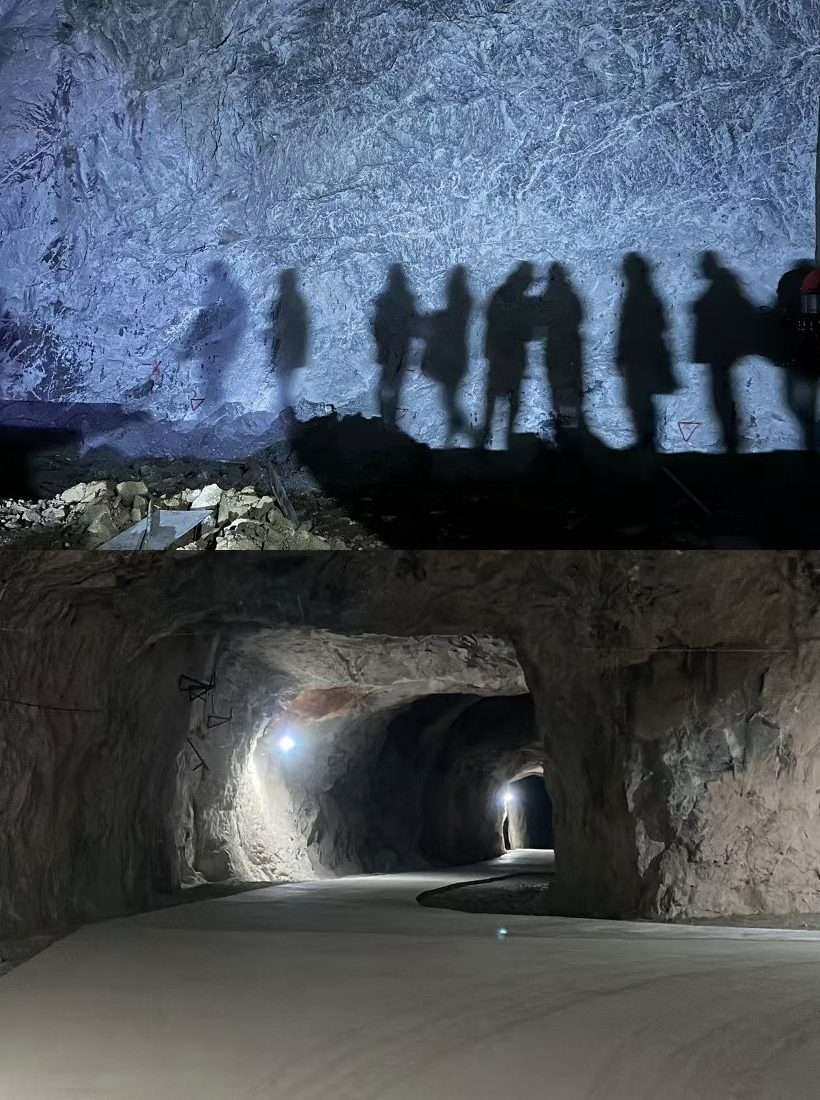
The Time Investment of Storing 100,000 Casks in Caves: Angus Dundee’s Confidence in China – a guest blog post by Nené hu (LinZi Whisky)
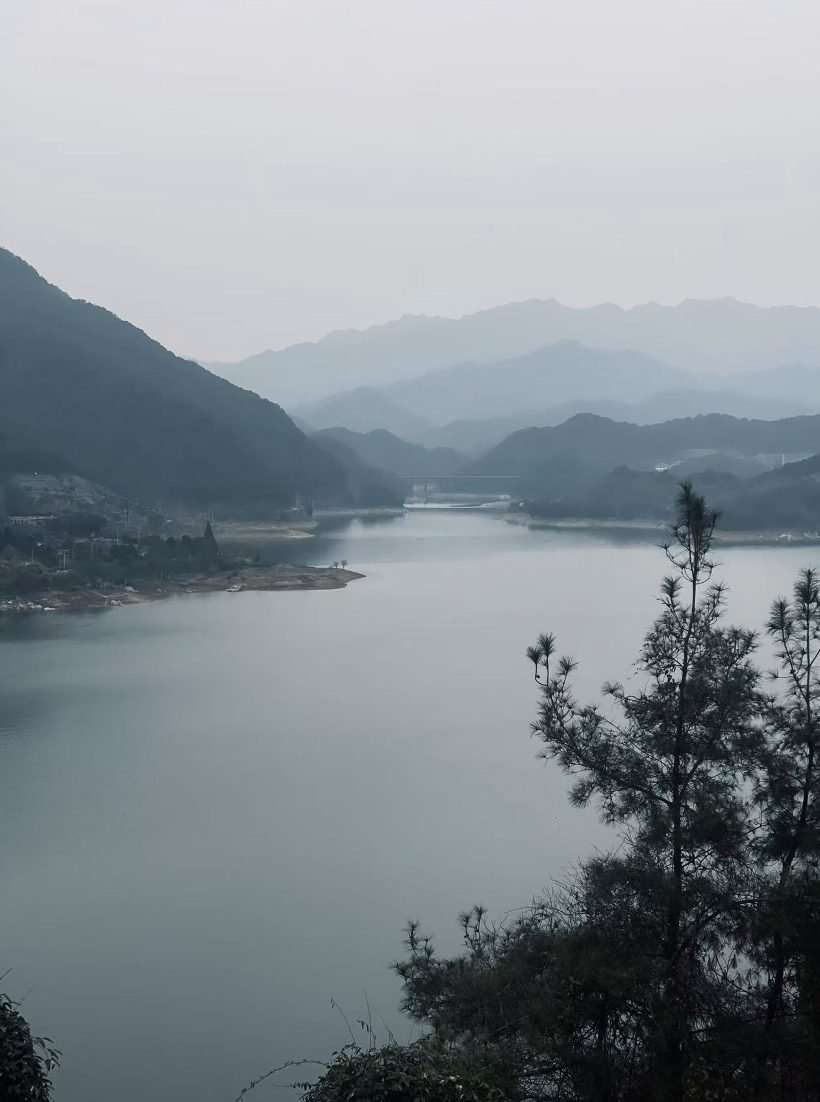
Qiandao Lake in Zhejiang is known as the backyard of the Jiangsu、Zhejiang and Shanghai people.
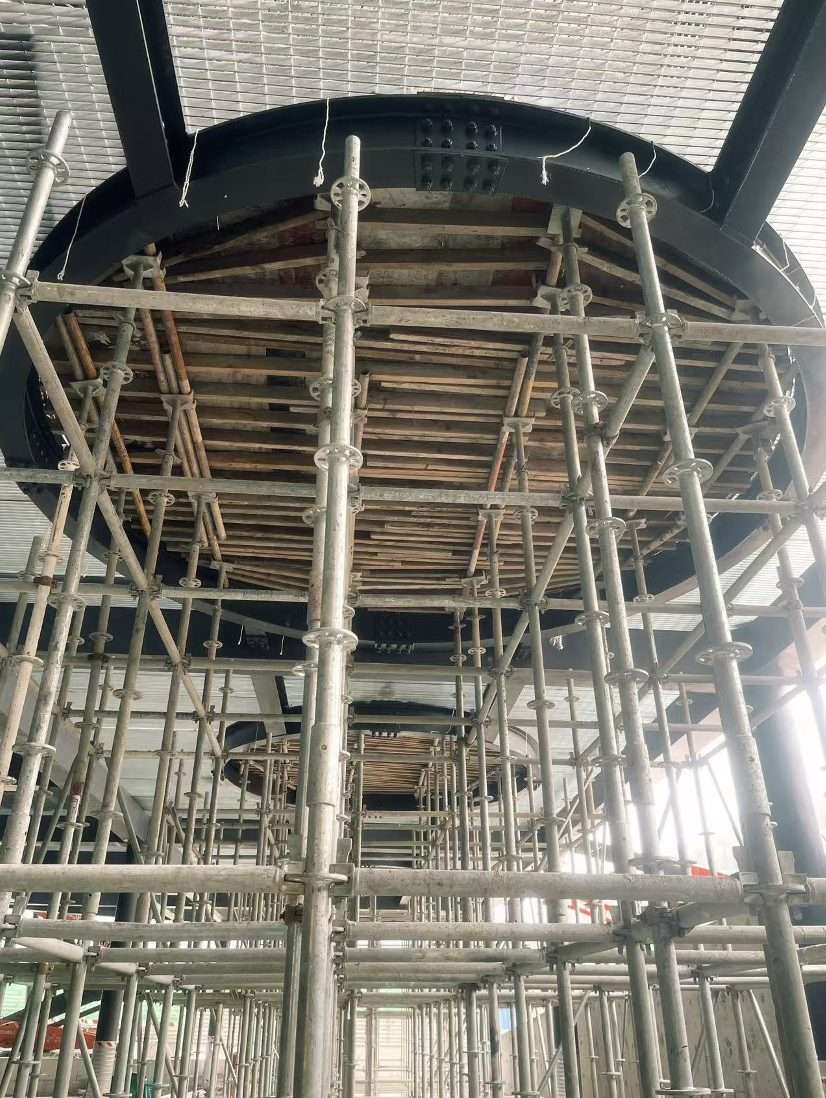
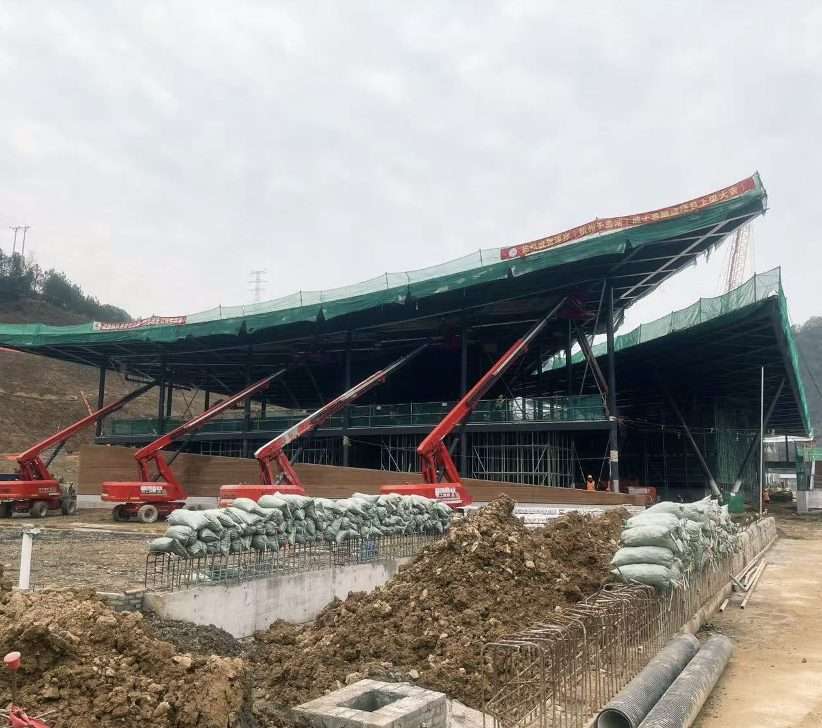
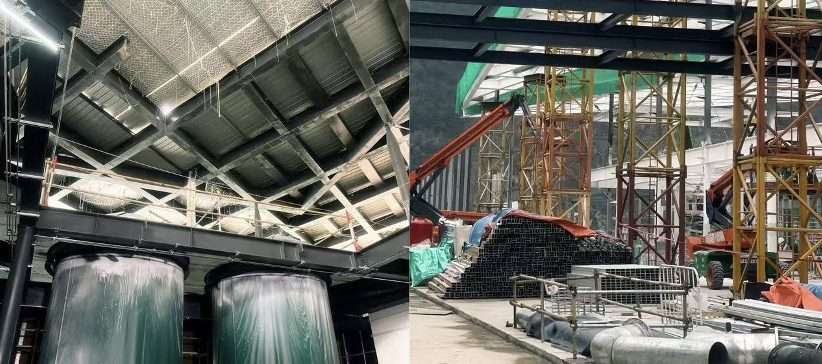
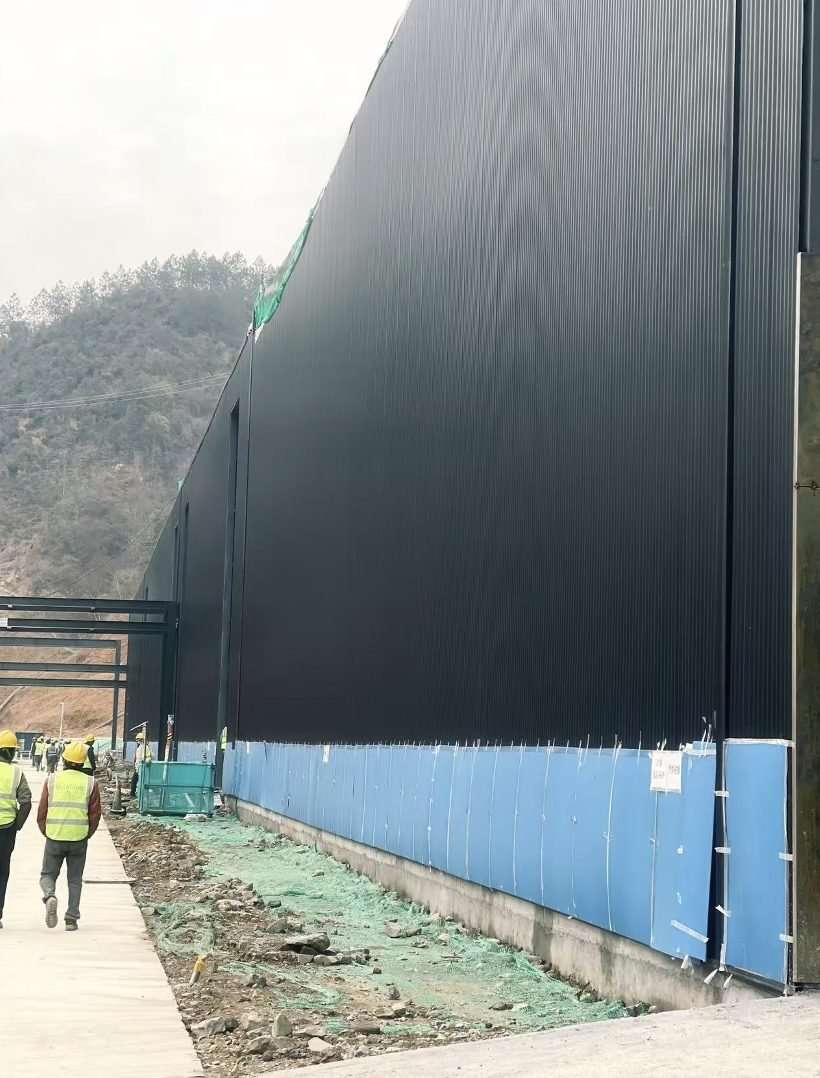
In Chun’an County, near Qiandao Lake, the Chun’an Distillery under the UK’s Angus Dundee Distillers PLC is under construction. It will be the only whisky distillery in China located at the foot of the mountains and by the lake. The project covers an area of 11,000 square meters, with Phase 1 occupying 60 acres, and the total investment nearing 700 million RMB. The aim is to create a modern, top-tier Asian whisky distillery that integrates industry and tourism. The distillery will house a giant warehouse capable of storing 100,000 barrels of whisky, which is unique in the world.
Calculating the value of each cask at 200,000 RMB, this warehouse will soon carry not only 20 billion RMB worth of “liquid gold,” but also a long-term bet from a century-old British spirits group on the Chinese market. The project is set to be completed by the end of 2025.
As a typical “slow industry,” whisky requires several decades of aging, from fermentation and distillation to maturation in oak barrels, to achieve the highest flavour. This “quality through time” business logic is fundamentally different from the short-term profit-seeking capital style, and it centers on deep trust in policy stability, market prospects, and the business environment.
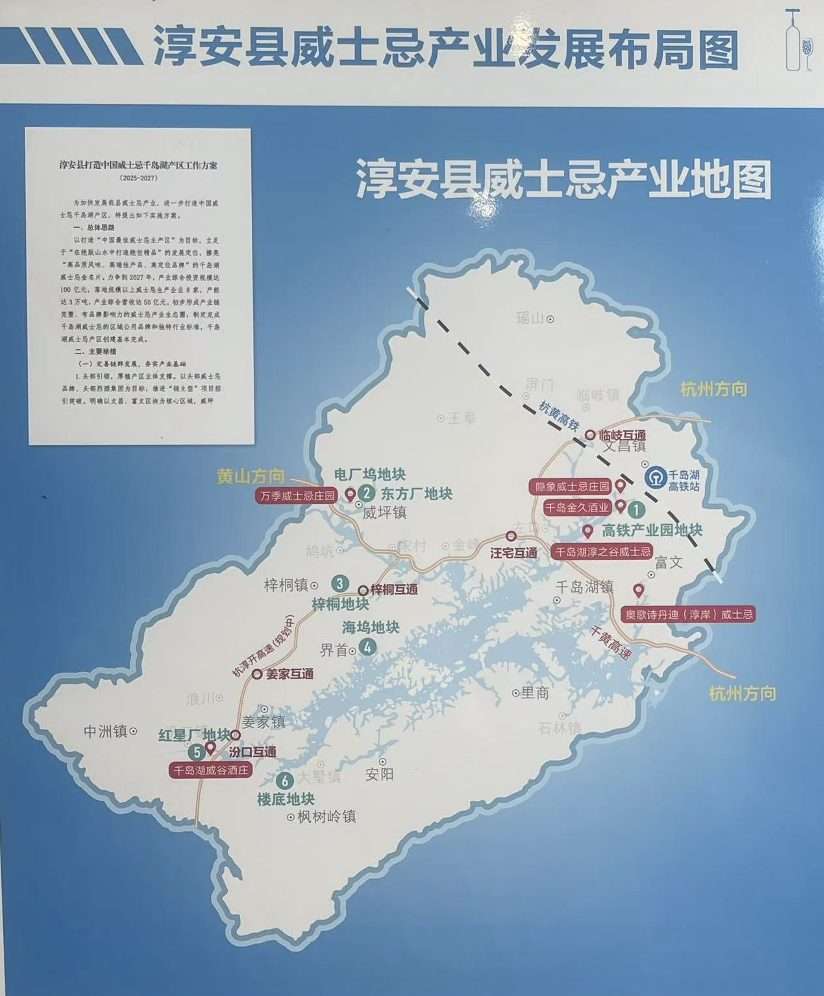
The decision by Angus Dundee Distillers PLC is not an isolated case. Currently, Qiandao Lake has attracted six whisky projects (accounting for over 80% of the province’s whisky industry), with a total investment of 4.2 billion RMB. This includes the already operational Qiandao Whisky Valley, Qiandao Jinjiu Liquor Industry, and Qiandao Lake Mellow Vallley, as well as ongoing projects like Chun’an and Yinxiang Manor, with agreements signed for Wanji Whisky. An additional 11 projects are under negotiation, with a total investment of over 6.28 billion RMB, targeting the creation of a 10-billion RMB industry cluster.
This phenomenon reveals a deeper trend: against the backdrop of global industrial chain restructuring, China is becoming a “new magnetic pole” for high-end manufacturing and high-value-added industries, and the clustering of whisky production is a “vote with feet” by foreign investors expressing confidence in China’s economic resilience and open commitments.
 (Forsyths)
Green Code: A Win-Win Paradigm of Ecological Protection and Industrial Upgrading
The rise of the Qiandao Lake whisky industry is no accident. As the most important strategic water source in the Yangtze River Delta, Qiandao Lake boasts a nationwide reputation for its “slightly sweet” water source. Its 17.8 billion cubic meters of class I water body, the mild climate with an annual average temperature of 17°C, and its location in the Golden Brewing Belt at 30° North latitude, form the natural endowment for whisky. But what’s even more noteworthy is the top-level design by the local government to convert ecological resources into industrial advantages:
Accurate Positioning of the “Deep Green Industry”
Chun’an County is listed as a “special ecological function zone” in Zhejiang Province and has explicitly proposed the construction of a “4+1” deep green industry system (healthy water industry, all-region tourism, inclusive forestry, modern agriculture + eco-sensitive industries). The whisky industry, with its characteristics of “zero pollution, high value-added, and integration of industry and tourism,” has become a model for eco-sensitive industries. The government ensures the synchronous development of industry and ecological protection through policies such as strict pollution control standards, prioritizing land resources, and supporting transportation infrastructure (such as the new Hangzhou-Chun’an Expressway and road construction for enterprises).
Innovative “Industry-Tourism” Integration Model
The Chun’an whisky project is not only a distillery but also a planned “whisky + tourism” complex, including a visitor center, theme hotel, and an aging experience zone. The project converts industrial production lines into cultural and tourism consumption scenes. This model extends the industry chain while injecting new meaning into Qiandao Lake’s goal of becoming an “international leisure resort destination,” forming a virtuous cycle of “industry driving tourism and tourism promoting the brand.”
Synergistic Effects of Industrial Clusters
The clustering of the whisky industry is not a single enterprise’s action. From oak barrel manufacturing to raw material planting and bottle packaging, Qiandao Lake is perfecting upstream and downstream supporting industries through policy guidance. For example, the government has reserved 1,300 acres of land to build standardized factories, invested 240 million RMB to create a tunnel-style storage base, and established a dedicated service team to provide “ready-to-settle” conditions for enterprises. This comprehensive service capability is the key guarantee for foreign investment to make long-term commitments.
The “Deep Signal” of China’s Opening Up: From Policy Benefits to Institutional Openness
The “Qiandao Lake Model” of the whisky industry reflects China’s upgrading path for opening up—moving from early tax incentives and cost advantages to a “high-quality opening” centered on institutional openness:
Policy Continuity and Market Transparency
The new “Whisky National Standard” (GB/T 11856.1-2025), set to be implemented on February 1, 2026, establishes strict regulations on production processes, barrel aging times, labeling, etc. This aligns with international standards while providing clear regulatory expectations for foreign enterprises. The “high standard leadership” approach, rather than “low-end capacity expansion,” is a key factor in attracting traditional family-owned enterprises like Ockosdandy.
“Long-Termism” and Foreign Capital Confidence
The whisky industry requires more than ten years to cultivate, and the Chinese government’s “waiting ten years without sound, but waiting for a stunning breakthrough” attitude demonstrates strategic patience that matches the slow-paced industry. This “time consensus” breaks the stereotype of foreign investors about policy instability in emerging markets, injecting strong confidence for long-term investment.
Balancing Globalization and Localization
International spirits groups building factories in China are not only avoiding high tariffs (e.g., about 10% import tariff on whisky) but also focusing on the possibility of localized innovation. The Qiandao Lake project attempts to incorporate elements such as Chinese barley and yellow wine barrels into the whisky process, preserving Scottish traditions while creating an “Eastern flavour.” This “global quality + local expression” strategy reflects the inclusiveness of China’s open market.
From the “Qiandao Lake Model” to the Paradigm of “Chinese Industrial Upgrading”
The rise of the Qiandao Lake whisky industry provides three key insights for China’s regional economic development:
- The industrialization path of ecological value: green mountains and clear waters are not only valuable but can be converted into economic momentum through high-barrier, high-value-added green industries.
- The symbiotic logic of foreign capital and local economy: foreign investment is no longer just a “capital importer,” but a partner in industrial upgrading, technology spillover, and brand internationalization.
- The “systemic competitiveness” of open policies: stable institutions, transparent rules, and efficient services are more reliable than short-term benefits to win the long-term trust of multinational companies.
In the future, as the Qiandao Lake “Oriental Speyside” vision progresses (with the goal of forming a cluster of more than 10 distilleries by 2030), its experience may be replicated in more fields.
When a British company is willing to entrust its “time assets” worth 20 billion yuan to China, it is not only a business choice but also a profound recognition of China’s path of “Chinese-style modernization” and the global expansion of “Made in China.” Here, ecological protection and economic growth do not have to be a trade-off, and the commitment to openness always goes hand in hand with institutional innovation.




0 Comments