
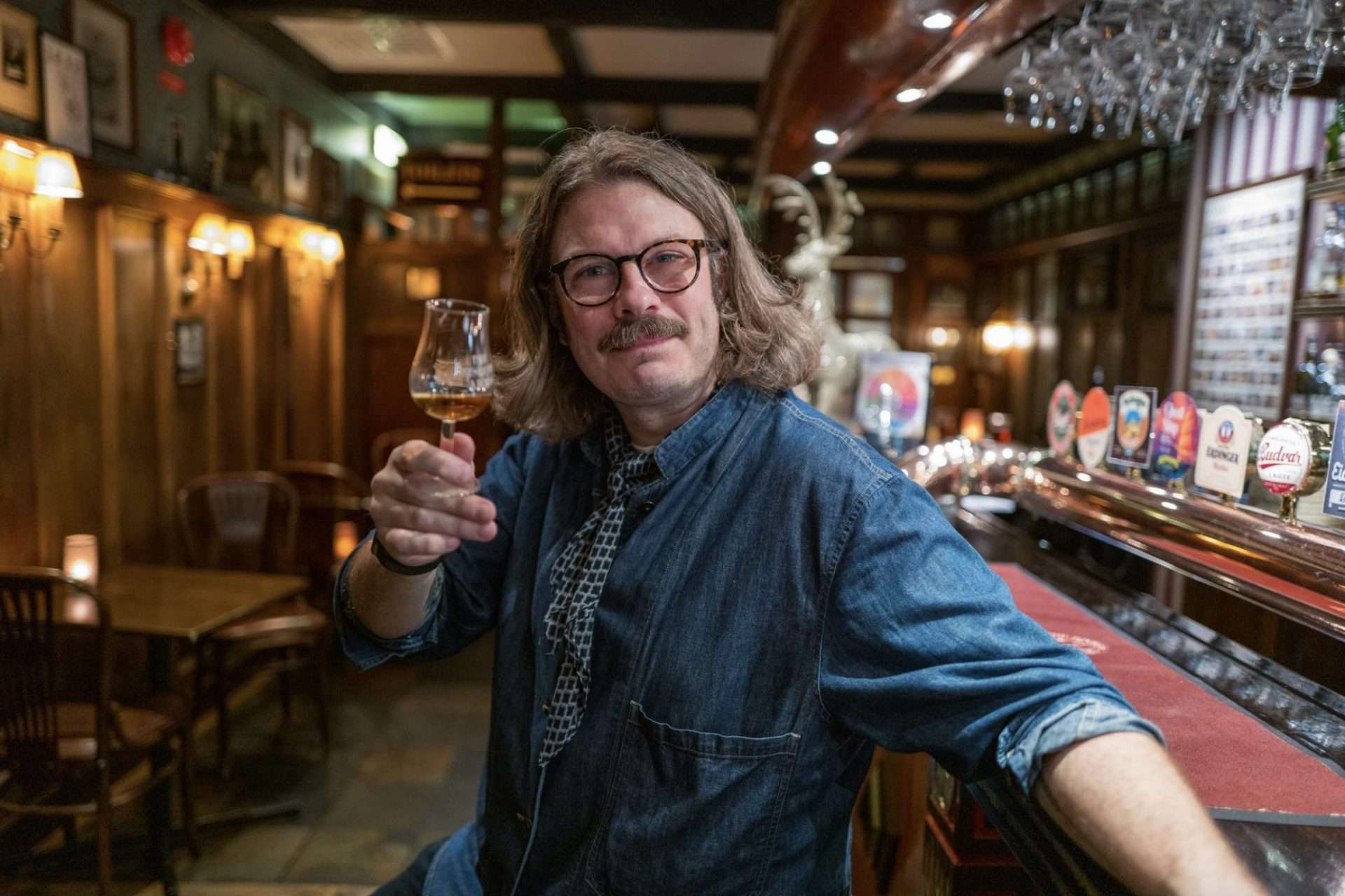
Mark Jennings is a prolific drinks writer, contributing to titles such as Whisky Magazine, Whisky Advocate, Allt om Whisky and The Spirits Business. He is also a drinks judge, spirits commentator and marketer. We originally met over 10 years ago in 2014, after he had co-founded Shaken, the world’s first cocktail at home delivery service. Mark was kind enough to agree to my invite and to spare some time to talk with Inside the Cask.
Inside the Cask: How did it all start for you? Where did the interest in drinks, and more specifically on whisky come from?
I grew up in a house with a real appreciation for wine and food, even if I personally had a spectacularly limited palate as a kid. I was the child who would happily embarrass my father by asking for a cheeseburger in a Michelin-starred restaurant. Spirits came a bit later. My first real connection with them is the memory of my parents’ regular gin and tonics after Sunday lunch – not so much the alcohol, but the ritual of it. The crack of the ice as the tonic hits, the fizz, the smell, the sheer simplicity and beauty of a proper London Dry gin and tonic.
When I was 14, a waiter asked if there were any drinks orders and, without really thinking, I asked for a gin and tonic. My parents froze, assuming the waiter would say no. He didn’t. They let it happen, expecting I’d hate it and learn a lesson. Unfortunately for them, I loved it. Every time I pour a gin and tonic now, thirty-odd years later, that memory is still right there.
Whisky was different. Growing up in Scotland, I didn’t like it at all. It felt old-fashioned and a bit suffocating. Family friends visiting Aberdeen always wanted the “distillery experience” so we’d drive up to Speyside, hear the same tired line about “today’s rain being tomorrow’s whisky”, see the kilts and tartan, and it all felt like the most twee, macho version of Scotland rolled into one. At school, whisky was part of that too – boys pretending they loved cigars and the smokiest whisky they could find, explaining to you how to drink it so you could “become a man”.
I was quite happy to check out of that. I grew up with an English accent in Scotland, never fully fitting in, and whisky became a symbol of that disconnection. It felt like an intimidating club I didn’t belong to.
Ironically, that inaccessibility is probably what brought me back. My dad was a doctor and people gave him whisky constantly without ever asking if he liked it – he didn’t. So there was always this Mary Poppins cupboard of whisky in the house, endlessly refilled every Christmas. As teenagers we were probably half-inching some of the best Scotch around and mixing it with Coke, without realising what we had.
The real turning point came much later, working in advertising. I helped develop a project for The Glenlivet which became their fastest-selling expression at the time. That was my first close-up view of the craftsmanship and dedication behind whisky – the rough hands of people filling casks they might never taste themselves, knowing maybe their children would be the ones to see the whisky bottled.
The key moment was sitting with Alan Winchester at The Glenlivet. I still didn’t really like whisky, but as a sort of reward for the campaign I found myself tasting with the master distiller.
I watched him add water to his whisky, talk about how it changed the flavour, and I realised all those hard rules I’d been told – no water, no ice, this is how you “must” drink it – were basically nonsense. Suddenly I felt welcomed into the room.
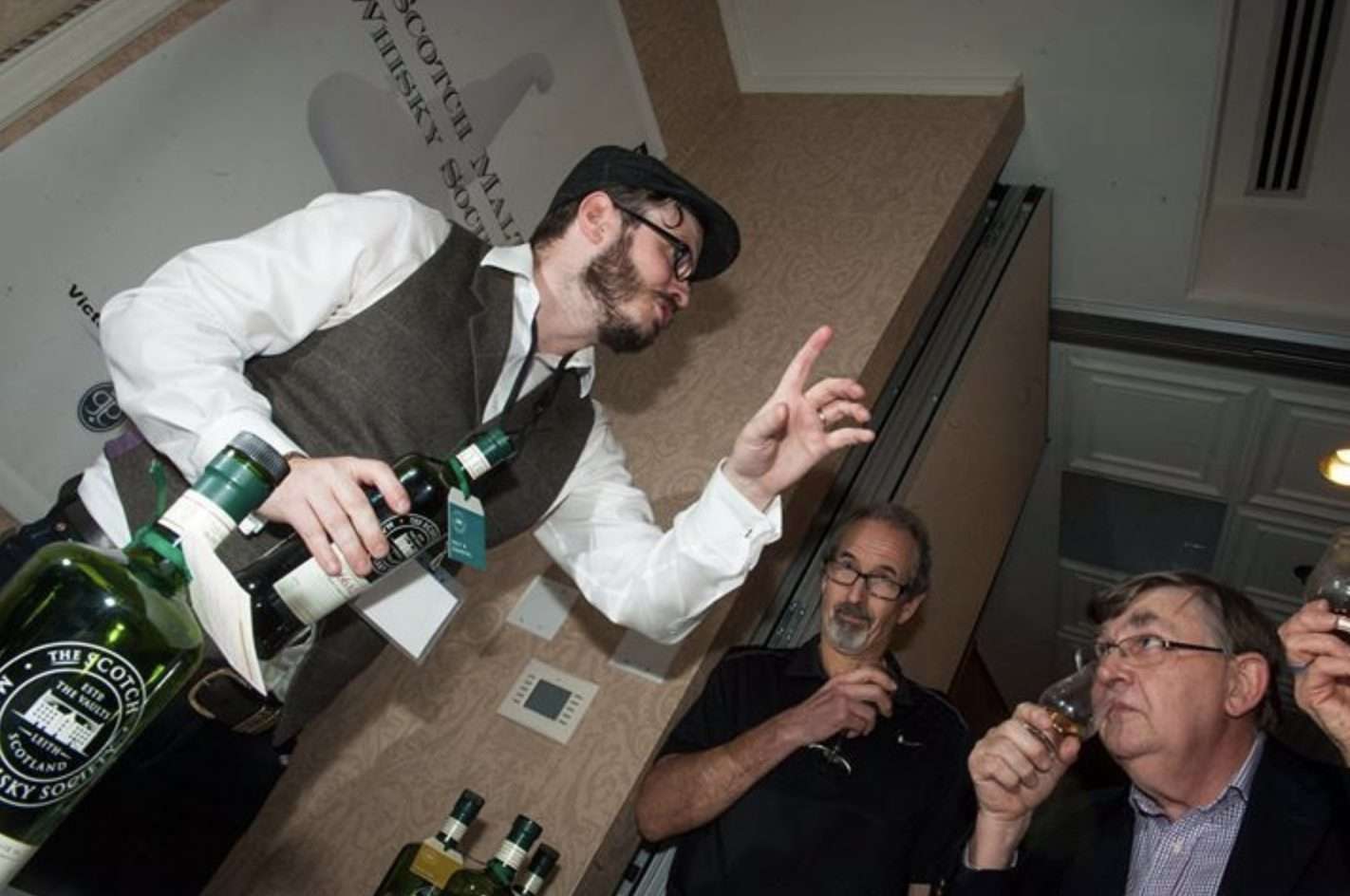
From there, things opened up quickly. I joined the Scotch Malt Whisky Society and, where that would have terrified me six months earlier, I found people who loved sharing whisky and didn’t make me feel stupid for asking basic questions. Around the same time I started running “Spirited Amateurs” events in London – tastings for people like me who were interested in flavour but didn’t want to be lectured. We made cocktails with high-end spirits, brought in brilliant presenters, and created a space where nobody was gatekeeping.
I didn’t realise it at the time, but those events were fundamental for me. Someone had quietly opened the door to whisky for me, and I found I really enjoyed holding it open for other people too.
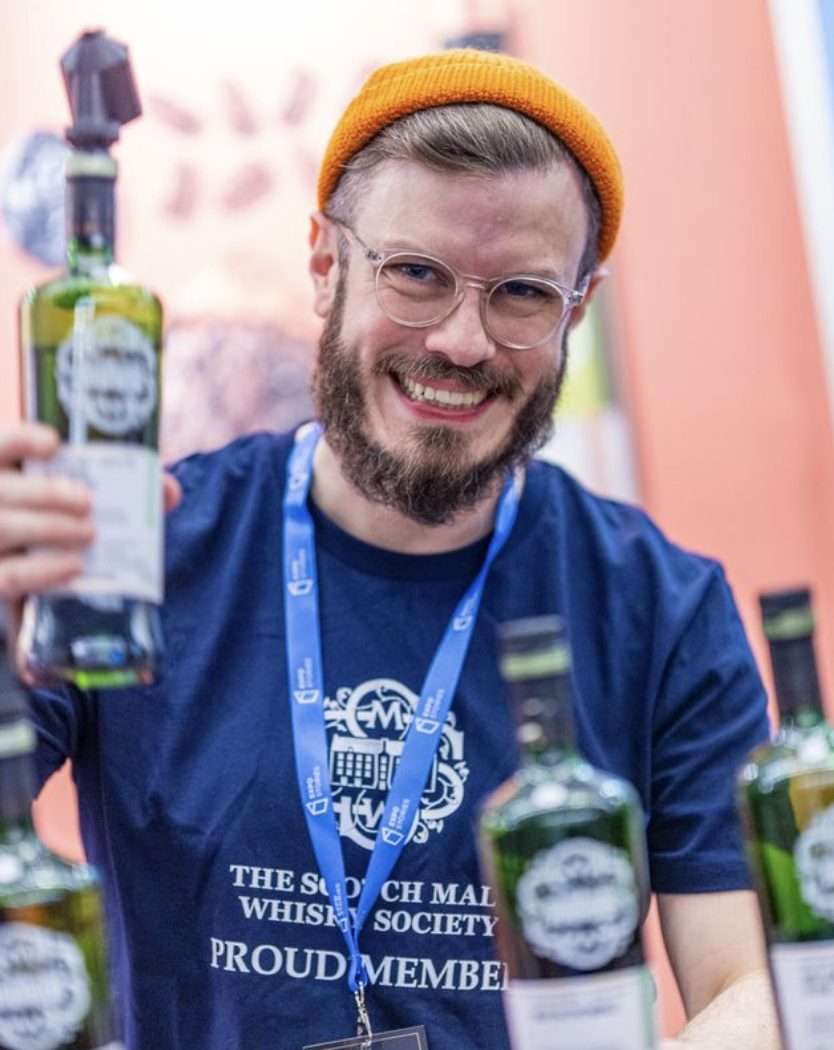
Inside the Cask: You started Shaken, the world’s first cocktail at home delivery service. How was the experience of creating your own product and what learnings have you taken from it?
Shaken came out of two worlds colliding – my growing reputation in spirits and my life in East London’s tech and startup scene. I was introduced to Alex Heaton, who had this core idea: people love great cocktails in bars but feel completely blocked when they try to recreate them at home. You go to make one drink and suddenly you’re spending £60–100 on bottles of obscure vermouth or orgeat that then sit in a cupboard for years.
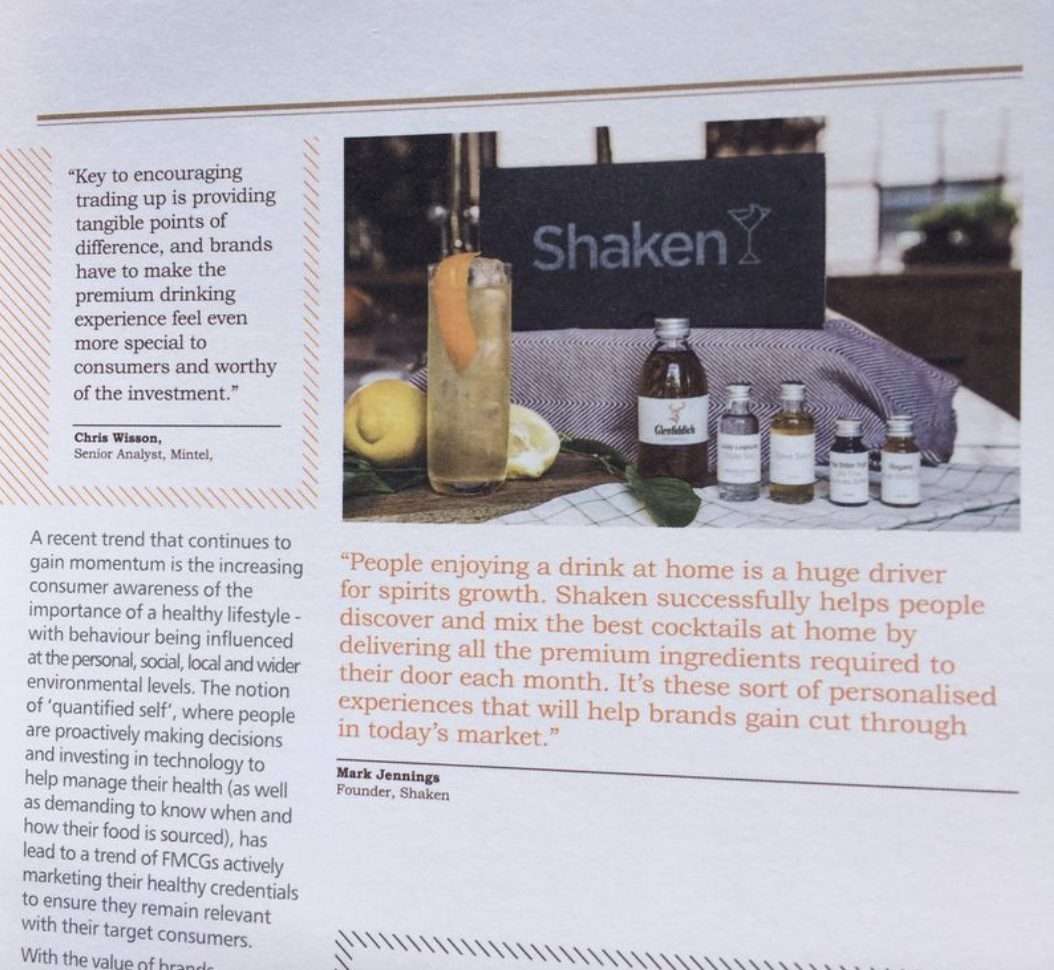
Alex wanted to solve that, and needed someone who knew the spirits world and could build those relationships. We hit it off quickly. With a small, solid team we raised some funding and built Shaken – a subscription box that delivered everything you needed to make bar-quality drinks at home. Recipes from top bartenders or classics, beautifully written copy, and a very relaxed approach to equipment. If you had an egg cup, you had a measure.
The point wasn’t to turn your kitchen into a speakeasy. It was to remove the intimidation and let you actually make the drinks you loved.
One of the wildest parts of the journey was the response from big brands. Glenfiddich let us rebottle their 15-year-old into our smaller bottles, which is extraordinary when you think how iconic that triangular bottle is. Johnnie Walker Black did the same. Hendrick’s joined in. At the same time, we worked with smaller producers like East London Liquor Company, Langley’s gin and Ocho tequila. Every month was a different spirit, and I spent a lot of my time building those relationships and convincing brands that this funny little box was a serious way to reach a new kind of drinker.
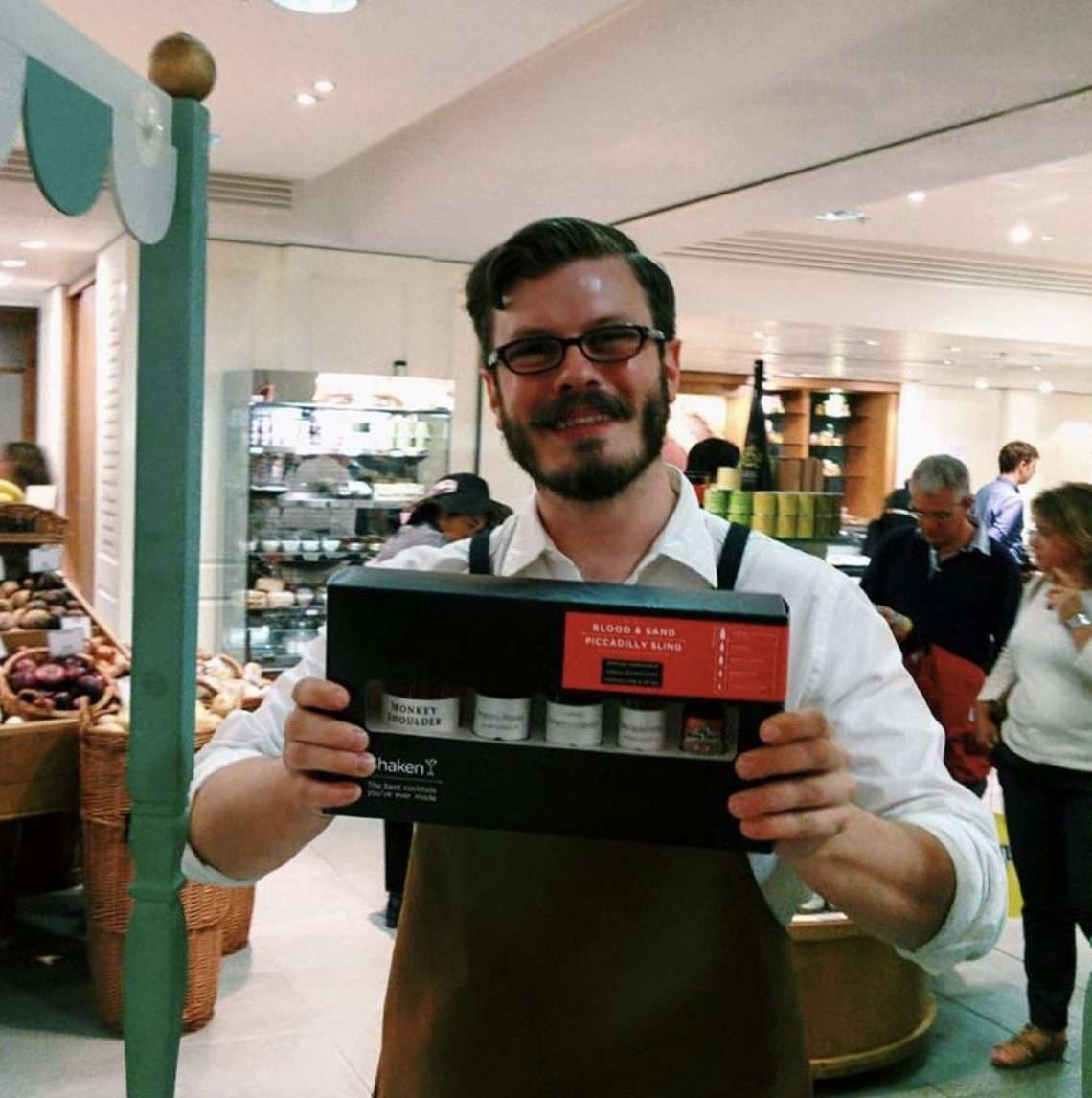
We launched in 2014 and wrapped up by 2016, but anyone who has done a startup knows those two years can feel like ten. In hindsight we were simply too early. We joke that if we’d somehow bootstrapped until Covid, we’d all be multimillionaires. But I’d still rather be too early and open doors for others, than be the fifteenth copycat.
I’m not the world’s greatest capitalist. I’m an artisan at heart. I want things to be really good rather than just really scalable, and that’s both a strength and a weakness in business. But Shaken did some remarkable things. Dick Bradsell – the inventor of the Espresso Martini and the Bramble – became a friend and called it the best idea he’d heard in years. That meant a lot. We got into Fortnum & Mason, Harvey Nichols and Selfridges. For a bedroom project to end up in those kinds of stores felt like a validation that we weren’t just playing at it.
The bit I think about most, though, is an email from a customer who asked if we could help him propose. He wanted his partner to open what looked like their normal Shaken box and find the ring inside. In the middle of all the chaos of fundraising and operations, the team threw themselves into it – custom printed labels, a hand-cut space for the ring, the right size, everything. She opened it, thinking it was the usual monthly box, and there was the ring. The company’s gone, but that moment still exists for them.
Even now, a decade on, people occasionally send me pictures of a tiny bottle of bitters or the last few millilitres of a Monkey Shoulder sample from a Shaken box they’ve hoarded. It gives me a ridiculous amount of pleasure. I wish the business had survived, of course, but the team are still friends and I’m proud of what we made together.
Inside the Cask: What is it like being a drinks journalist? How do you come up with ideas and create potential articles and features?
It has taken me an embarrassingly long time to feel comfortable saying “I’m a drinks writer” when someone asks what I do. The imposter syndrome is strong, even though I’ve now been writing about whisky for around ten years and about drinks more broadly for longer than that. I don’t have a journalism degree, I wasn’t trained on a newspaper. I came in through events and content and just kept going.
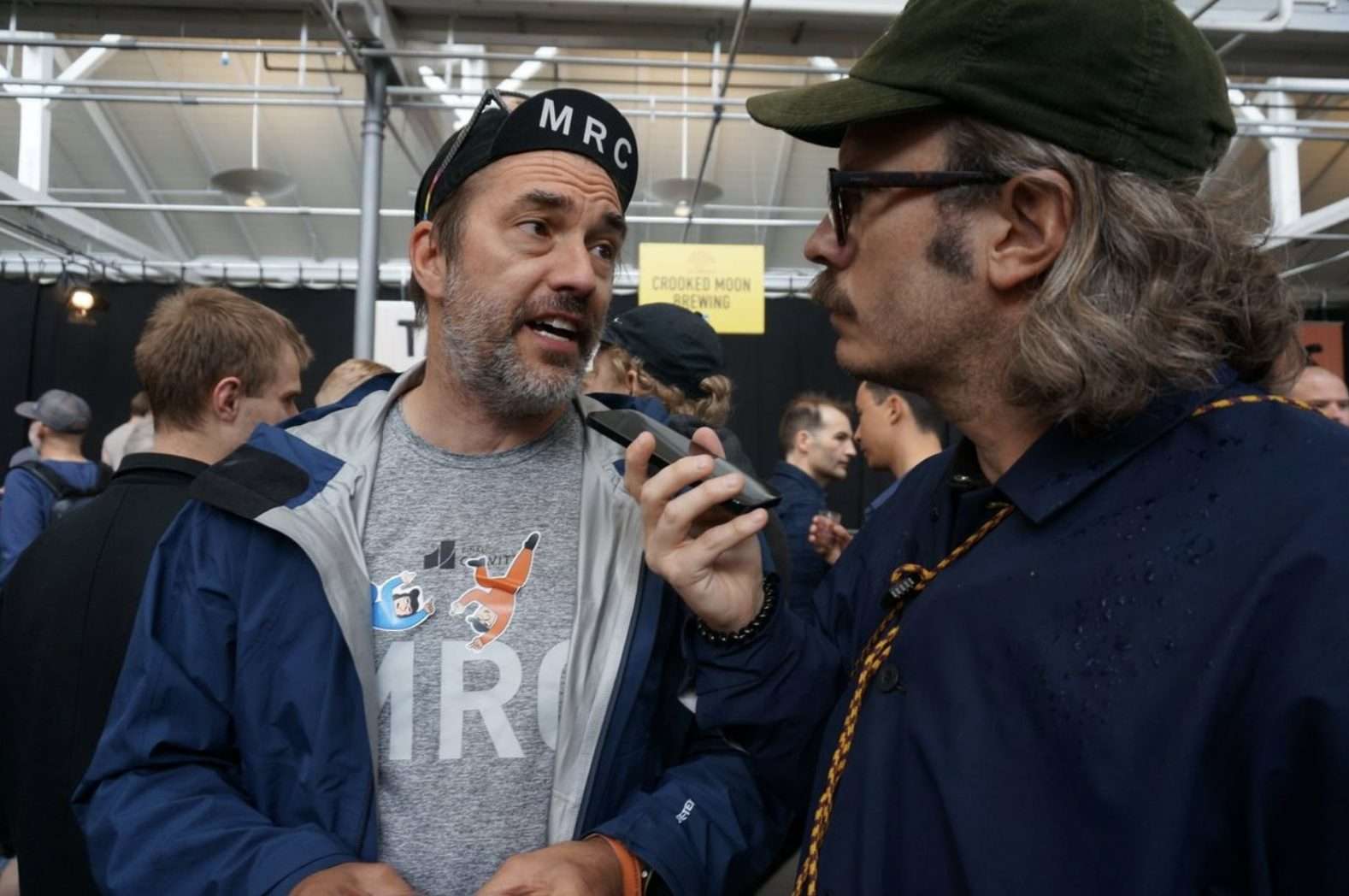
These days I’m incredibly fortunate to write for Whisky Magazine, Whisky Advocate, The Spirits Business, Allt om Whisky here in Sweden and others on a freelance basis.
You don’t just get handed that. You have to pitch good ideas, accept feedback, let editors cut lines you loved, and work with excellent copy editors who make you look much more coherent than you feel. Even now, at 46, when I send in a piece there’s a part of me that braces for an email saying, “What on earth were you thinking?” It hasn’t happened yet, so I keep going.

In terms of ideas, I’m not the journalist who gets excited about the exact shape of a still or the dimensions of a cask. I’m glad there are people obsessed with that and I learn a lot from them, but it’s not my centre of gravity. I’m obsessed with people – why they do what they do, and why they keep doing it when it makes no logical sense.
I’m fascinated by the bartender with a PhD who finds more meaning working late shifts on minimum wage, by the fifth-generation cooper who quietly keeps their family trade alive, by the couple who throw everything into a distillery knowing they might not live to see its best whisky bottled. Those are the stories that catch my attention, especially in moments of triumph or crisis. Some of my pieces that have resonated most are the ones written at turning points – when things are going brilliantly or, more often, when they’re close to falling apart.

I still feel like an outsider, a “spirited amateur”, turning over stones and being slightly giddy that anyone lets me in at all. But that outsider perspective is useful. It keeps me curious. I don’t want to write only for the hardcore whisky geek. Someone opened the door for me, and I try very hard in my writing never to slam it shut behind me. If I fail at making things more accessible, I at least try not to make them more exclusive.
I also try not to be myopic about whisky. I see myself as an equal-opportunities drinks writer. Scotland will always matter deeply to me, but I’m just as nosy about what is happening in Ireland, in Taiwan, in American single malt, in Australia. When I realise there’s a gap in my knowledge, my instinct is to find a way to visit, to pitch a story that forces me to learn. It keeps me honest and it keeps the work interesting.
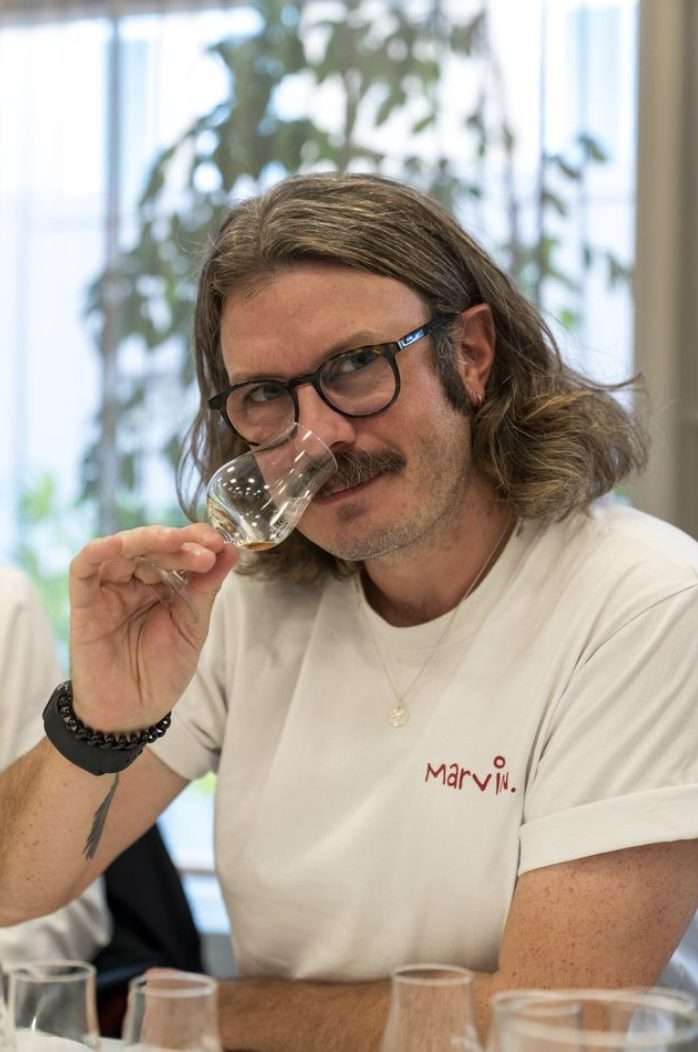
Inside the Cask: You have been part of the jury panel at a number of different international drinks competitions. Can you tell us more about it and share what this involves? How do you prepare for such an event?
Being asked to judge is still one of the biggest compliments you can be paid in this world. It’s not enough to love whisky or to write about it – you have to have a reliable palate and a balanced perspective, because the scores you give can genuinely move the dial for a producer. I still feel a rush of imposter syndrome when I walk into a judging room and find myself sitting next to some of the greatest distillers and writers of their generation, people whose books I read when I was just getting into this.
I vividly remember my first day judging at the IWSC: walking in, trying not to look terrified, telling myself there must be a reason they’d invited me.
All the competitions I’ve judged for have been scrupulously fair. Brands do, of course, pay an entry fee to submit their spirits – that’s how the logistics work – but beyond that the panels are independent. Most of us judge for free. On paper that might sound mad, but you do it for the love of great spirits and because it’s professionally valuable to taste widely and critically.
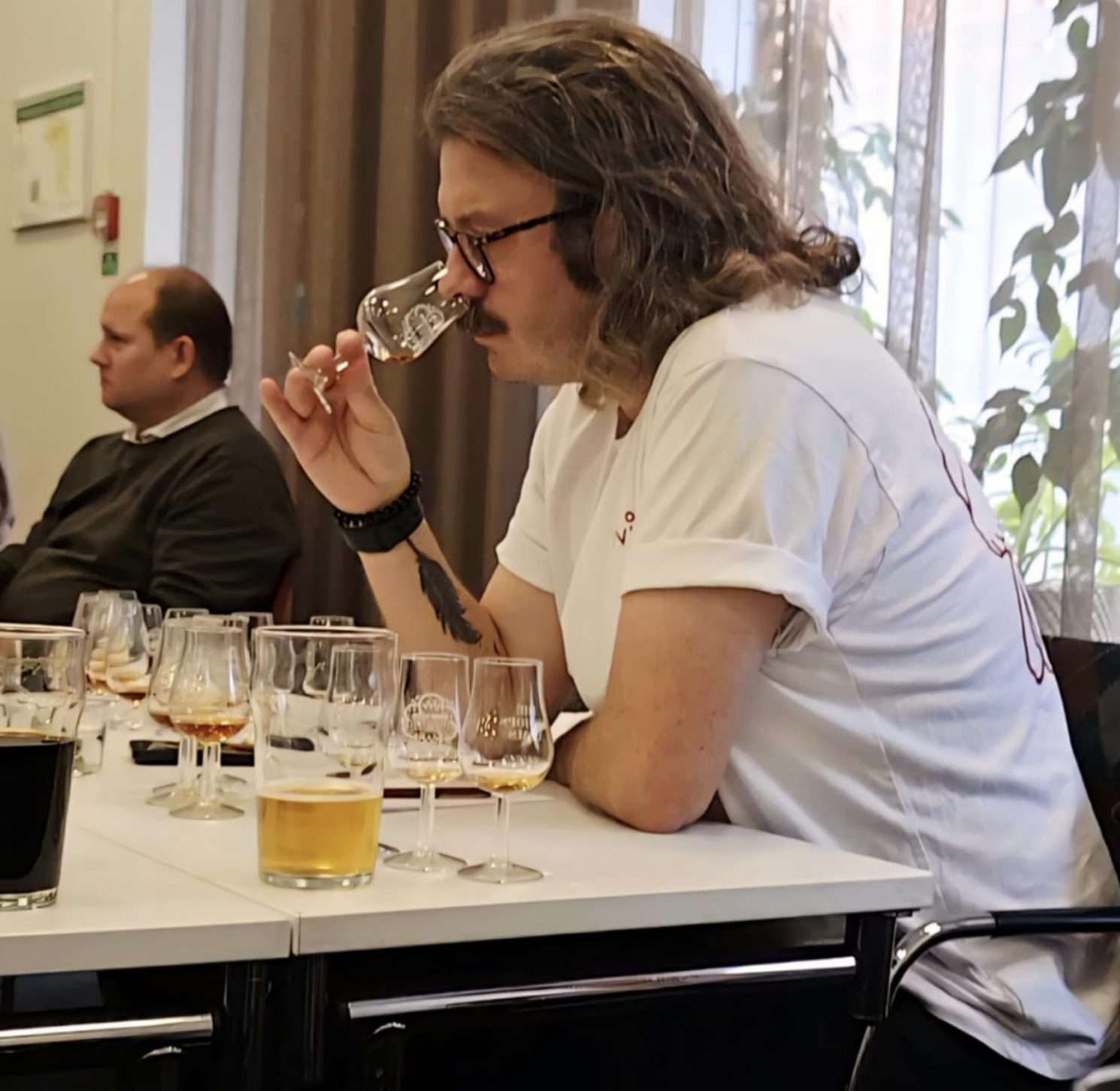
The reality of the day would probably surprise a lot of people. You start at nine, you’re going until four or five, and outside of a lunch break you are working through flight after flight of spirits – often 10, 15, 20 in a category – assessing appearance, nose, palate and finish, arguing for or against scores, and writing meaningful notes that will be sent back to the producer. You’re not drinking in any normal sense of the word. You’re tasting and spitting, over and over. It is work. By the end of the day you’re light-headed and tired in a very particular way, and I certainly wouldn’t choose to drive home.
At the same time, there’s a lot of camaraderie. You build friendships in those rooms. The breaks are full of laughter and gentle teasing, but when we’re tasting we take it seriously. For me, one of the great quiet pleasures is months later, when the results are out, spotting a bottle on a shelf that I know we gave a high score to. I imagine the moment the distiller or blender opens the email telling them they’ve won Gold and how that lands after years of work. Being a tiny part of that feels like a privilege.
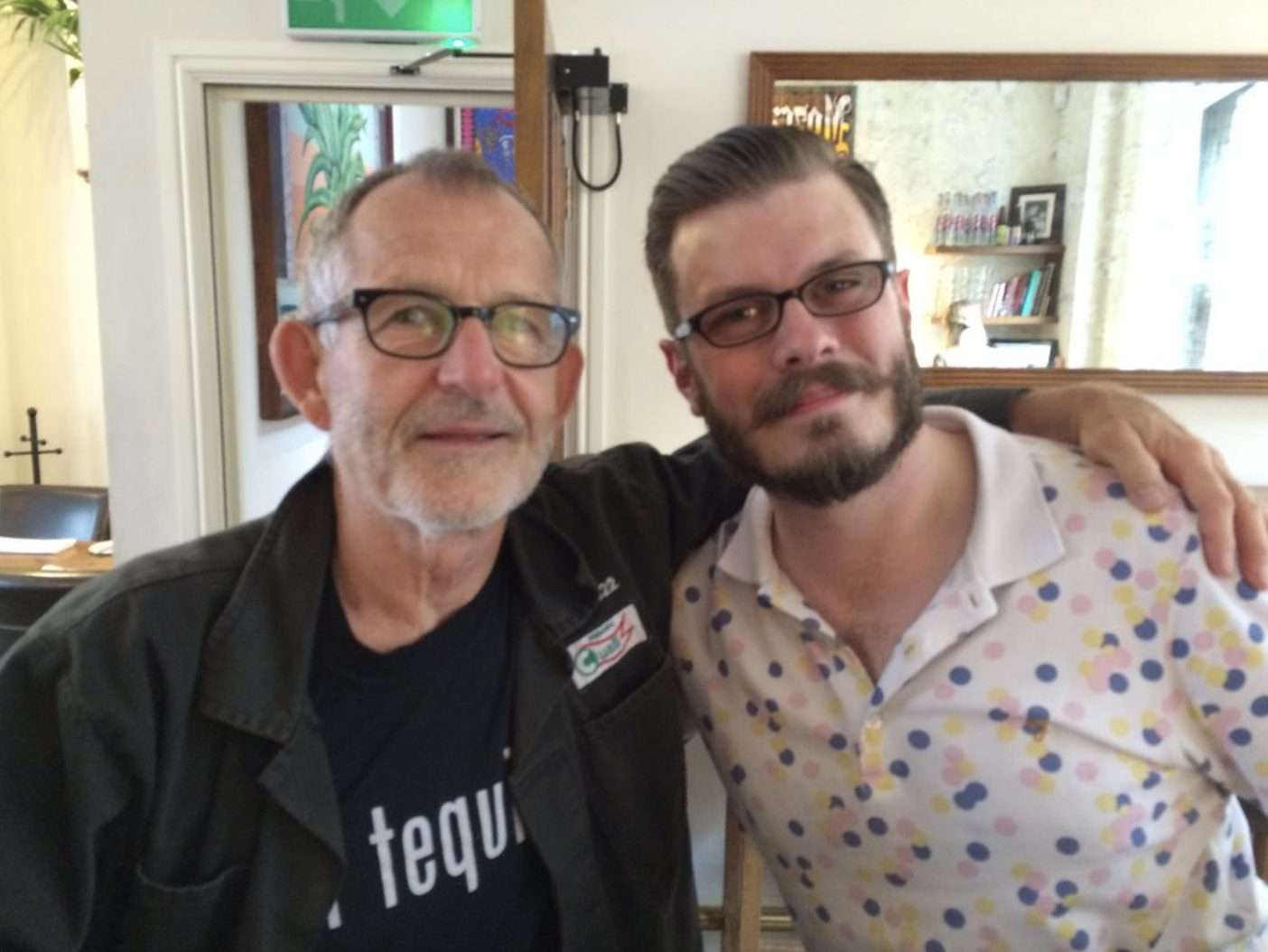
Inside the Cask: Whisky remains a large and popular drinks category globally. Any up and coming trends or brands to watch out for in the category? Now that you are based in Sweden, what can you tell us about the Swedish whisky market and consumer?
Living in Malmö for the last five years, just over the bridge from Copenhagen, has given me a slightly unusual vantage point. I still have one foot in Scotland and Ireland, but I’m surrounded by Nordic producers and Nordic drinkers, which has been fascinating.
Across the Nordics there is a lot going on. In Sweden alone you have High Coast and Smögen producing excellent whisky in very different styles. You have Spirit of Hven on my side of the coast, doing quietly brilliant work on a smaller scale. Mackmyra, which blazed a trail but has had its share of challenges. You see similar innovation in Finland with Kyrö and in Denmark with Stauning, which I’m particularly fond of – they lean into rye because it grows all around them in western Jutland.
One thing Swedes do extremely well, a bit like the Japanese, is precision imitation.
They are very good at taking the Scottish template, really understanding it, and then nudging it into something of their own – using Swedish oak, for example, or pushing different aspects of the process. Others, like Agitator, are very deliberately re-thinking each step to make young whisky taste better faster. There’s a real spectrum from respectful classicism to quite radical innovation, and that’s healthy.
The harder part is actually selling Swedish whisky to Swedes. A lot of people tried early bottlings before the distilleries had really dialled in their stills or had enough mature stock, and decided that Swedish whisky wasn’t for them. Getting them to come back and taste what’s being made now is a challenge. Add in the reality of Systembolaget – our state monopoly – and it’s not an easy market.
If you zoom out globally, we’re in a complicated moment. There’s still huge affection for whisky, but the race to premiumisation has gone too far in places. We’ve moved from “well-off person with a nice whisky collection” to “you need to be genuinely wealthy to participate at the top end”. The gap has widened and a lot of stock is now sitting in warehouses unsold. In Europe you can sit on it and hope; in the US those casks can’t just be left to drift into over-oaked oblivion. Something will have to give.
My hunch is that, after some pain, we’ll see better whisky at the same price or even slightly lower prices. That would be good for drinkers and probably healthy for the category long-term.
In the short term, there are some brutal stories. I’m already writing more pieces about distilleries that took on heavy investment when money was cheap and costs were lower, and are now scrambling to survive with everything more expensive and demand softening at the high end. Some of those dreams will be ground into the dirt or taken over, and that’s hard to watch.
The hopeful bit is that the enthusiasm on the ground hasn’t disappeared. At whisky shows in Sweden, across the Nordics and back in the UK I still see the same hungry whisky nerds, just with slightly different buying habits. There’s more comfort with whisky in highballs and cocktails, more gender balance in the rooms – though we’ve still got work to do there. So I’m not pessimistic about whisky’s future. I just think we have a correction to get through.
Inside the Cask: Can you tell us more about your personal background? What else are you passionate about?
I’m Scottish-raised but fairly geographically scrambled. I grew up in Aberdeen, moved to Glasgow, then eventually to London, where I was born but only lived for a year as a baby. London was where I shifted from advertising and tech into startups, into Shaken, and then more and more into drinks. These days I live in Malmö with my Swedish partner and my seven-year-old daughter. I moved here as a married man and, in a very Swedish way, also learned how to divorce amicably. It’s all turned out surprisingly beautifully.
Being a dad is a huge part of my identity. Watching my daughter grow up bilingual, with an Irish passport, a British passport and hopefully soon a Swedish one, makes me ridiculously proud. I grew up in Aberdeen feeling quite stifled, worrying that I’d never really get out, so seeing her already thinking beyond city limits is a quiet dream come true for me.
Outside of whisky, the two big obsessions are music and running.
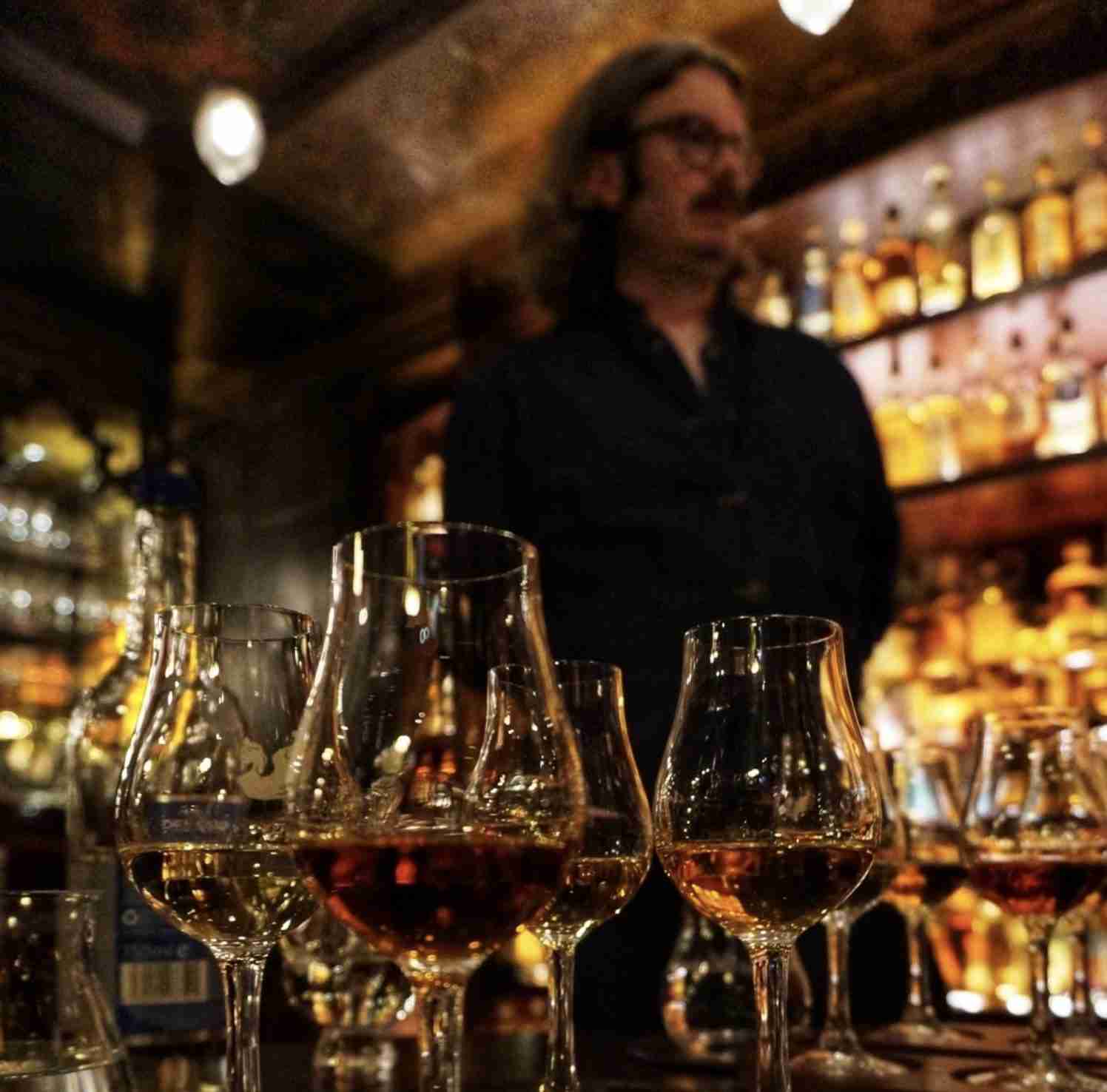
I’m a vinyl nerd in the old-school sense – original pressings, good gear, that whole Japanese listening-bar vibe. Recently I hosted a night where five of us sat in a room, drank highballs and listened to jazz records start to finish without speaking. For some people that would be torture. For me it was bliss. The flip side is that I also love a noisy room, topping up people’s glasses, drifting between conversations and connecting friends who should know each other.
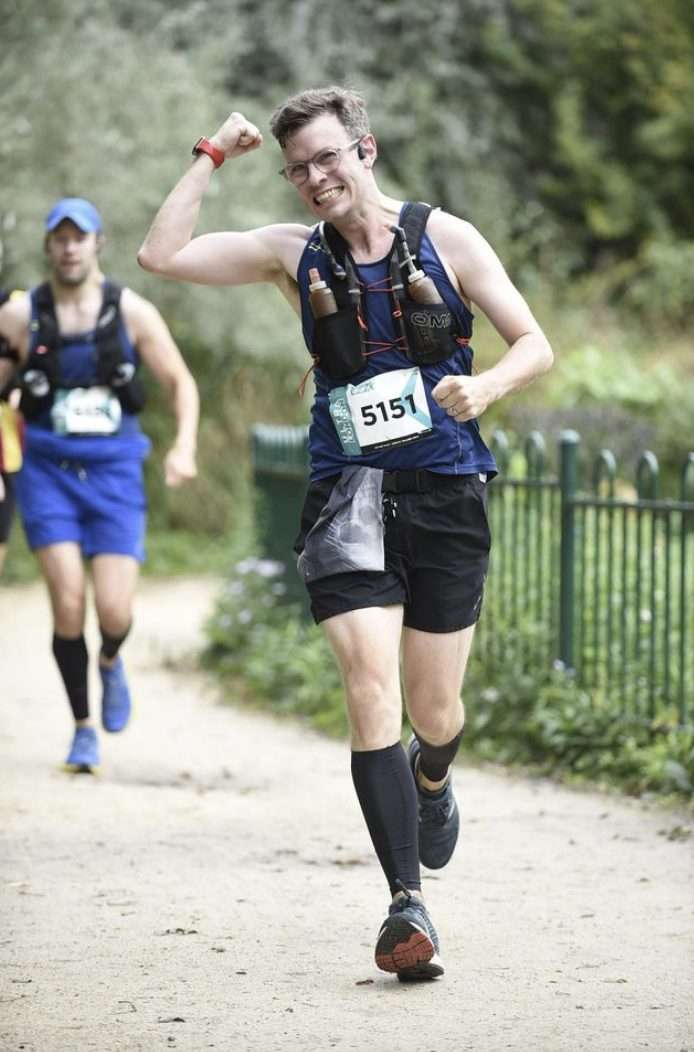
Running came later. At 40 I decided it was time to stop hating it.
That first year I went from barely managing two kilometres to finishing a 55km race, and since then I’ve done nineteen marathons or ultramarathons, including a 106km overnight race here in Sweden that finished on top of a mountain.
Before anyone imagines I look like a sinewy ultra-runner, I absolutely do not. If you saw the state of my waistline you’d assume I jog to the fridge at best. I run because I have to – it keeps my brain in one piece, gives me time alone, and lets me eat more burgers and drink more beer and whisky than is strictly sensible without keeling over. Somewhere between “too much running” and “too much whisky”, a balance is just about maintained.
And then there’s the quieter passion: building friendships in a country where it’s famously hard to do so. Moving to Sweden right as Covid arrived could have been very lonely. The fact that I now have Swedish friends I care deeply about, and who tolerate my record collection, means a lot.
Inside the Cask: What would be your advice for anyone else wanting to work in the drinks industry?
It depends where you land, because “the drinks industry” covers a lot of ground. My partner is in hospitality, running restaurants and bars, so I see that side up close. If you’re going into that world, my advice is painfully simple: put a shift in. Don’t walk past a problem. Don’t let people down. Put others first, smile, and get on with it. It’s brutally hard work and you will never be paid or respected quite as much as you deserve, but it can also be one of the most rewarding jobs you’ll ever do, even if only for a short chapter of your life.
If you’re drawn to marketing in drinks, you’re essentially acting as a translator between an age-old product and a new generation of drinkers. Done well, that’s a powerful role.
You can open the door wider, tell stories that respect heritage without being stuck in it, and make sure people who might have felt excluded see themselves in the brand.
Becoming a distiller is something else entirely. Whether you start young with a clear ambition, or you’re a “recovering chemist” like a friend of mine at Copenhagen Distillery, you’re putting yourself at the beating, roasting-hot heart of spirits. You’re transforming one thing into another in a way that still feels a bit like magic. It’s a romantic image, but the reality is long hours, hard graft and a lot of cleaning.
In all of these roles, the common thread is that you’ll often be judged on a single sip, in a single moment, by someone who knows nothing about the context or the compromises behind it – or sometimes just by the look of the bottle and whether you’ve got a medal on the label. It can be pretty brutal.
So my advice is this: do it for passion and for legacy, not for quick money. Do it honourably. Make something you’d be proud to drink yourself.
My friend Henric at Spirit of Hven always says he makes whisky for himself first – because if nobody buys it, at least he’ll have a lot of good whisky to enjoy. There’s a lesson in that.
And, crucially, hold the door open for others. Especially for people who haven’t traditionally felt invited into the world of whisky or spirits. Drinks don’t have a gender, or a class, or a “type” of person attached to them. If you’re lucky enough to work in this industry, you have some responsibility to make it more welcoming than you found it.
Inside the Cask: What surprised you most about working in the drinks industry?
Coming from advertising and tech, one of the first surprises was how little pure bullshit survives. There is plenty of marketing fluff, of course, but in spirits you tend to get called on it fairly quickly. The human reality behind the bottle is harder to hide.
I was also struck by how many different people are involved in getting a single whisky to a shelf. Most drinkers never see that. From barley growers to coopers to warehouse staff to the person leading a tasting in a bar – there’s an entire ecosystem.
When I was building Shaken and going into meetings with very senior people in big companies, what surprised me was how open they were. They didn’t care where I’d gone to school or what my accent sounded like. They just got excited about the idea and wanted to talk about it on its merits.
Then there are the quieter surprises. I assumed everyone in the trade drank like a fish. In reality, many of the best people in spirits drink remarkably moderately. It’s much more about quality than quantity.
But if I had to pick one big surprise, it’s how unaware people in the industry often are of their own legacy.
When I ask distillery founders, long-serving distillers, fifth-generation coopers or even brand ambassadors what they think their legacy will be, they usually look embarrassed and change the subject. Yet if you put a new distillery on a map, even if it ends up being just a footnote in the town’s history, you’ve changed something. If you’re the next link in a chain of craftspeople going back a century, you’re part of the reason great whisky exists at all.
From the inside, people can feel small or insignificant. From the outside, you can see how much they’re shaping. That gap between how people view themselves and what they’re actually doing still surprises me.
Inside the Cask: What is the favourite part of your job? Anything that you would like to share that not many people would know about you?
My favourite part of the job is very unglamorous. It’s the moment a physical magazine finally makes its way through the Swedish postal system and drops through my letterbox a few weeks after everyone else has seen it. My daughter still races to pick it up, flicks through to find my name, and insists I read her a bit of the article. She doesn’t always have the attention span for the whole thing, but when people come over she’ll proudly point out “Daddy’s pages” and make them read it.
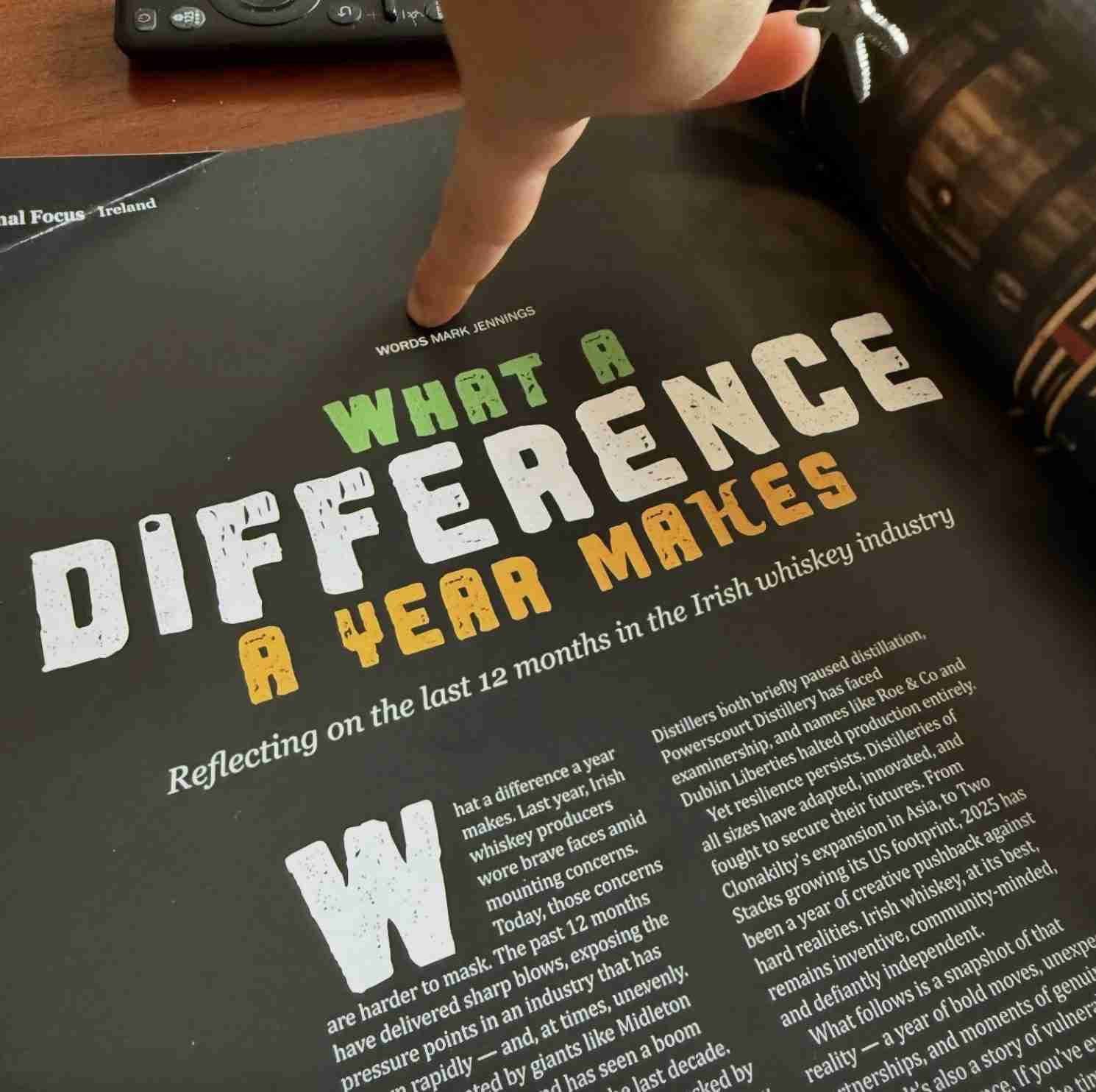
I don’t know exactly what it takes to be a good father, but that ritual makes me think that maybe, just maybe, I’m doing something right. She sees me going off to distilleries and tastings and events, and I hope she also sees that there is a purpose to it beyond “Daddy drinks whisky for a living”.
The other part I love is being trusted with the harder stories. When someone chooses you to write about a difficult moment – a closure, a restructuring, a deeply personal chapter in their life’s work – it’s a huge responsibility. If there’s anything I seem to be reasonably good at, it’s putting words to emotions that other people find hard to articulate, and when that lands with them and with readers, it feels like a privilege.
As for things people might not know: the running probably surprises some folk, especially if they only ever meet me at tastings. And the fact that my idea of a perfect evening can be five people, a good hi-fi, a stack of jazz records and absolute silence.
But I think the main thing is that, underneath all the travel and the whisky shows and the bylines, I’m just trying to tell honest stories and keep the door a bit wider open than I found it.





0 Comments