

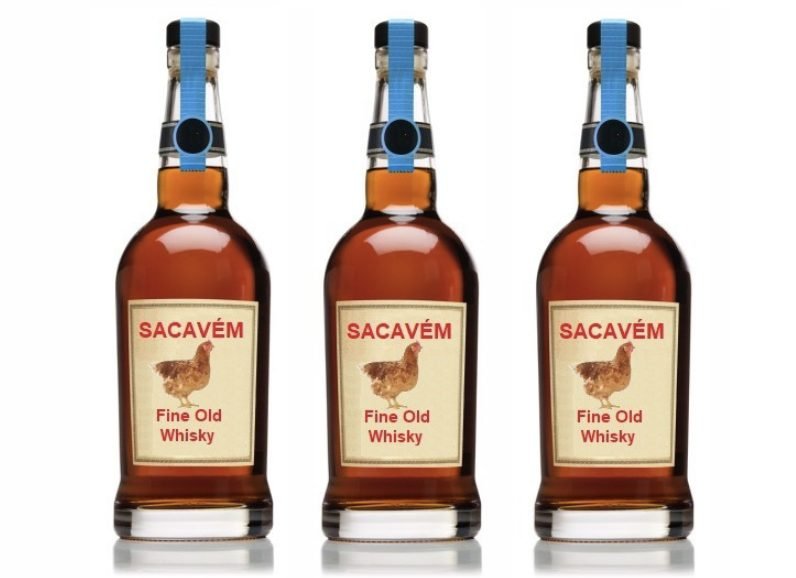
In Portugal, it was common to say that the worst hangover you may have had was due to the whisky of Sacavém. This is because of a discovery made on the 5th of February of 1966, at the city of Sacavém, situated north-east of the Portuguese capital Lisbon. There, the authorities found a factory of fake whisky being produced by four people, as reported at the time on the newspaper ‘Diário Popular’ nº 8373, 05/02/66, 24º year of publication, p. 17.
‘Parece whisky de Sacavém’ (it seems like whisky of Sacavém) was the reference made by Portuguese people afterwards, for those drinks that make you regret drinking the previous night
Manuel Serafim was captured by the police on that date at a restaurant in the rua (‘street’) Luís de Camões, in Lisbon. He was considered to be the ring leader behind the whisky of Sacavém and its illegal production.
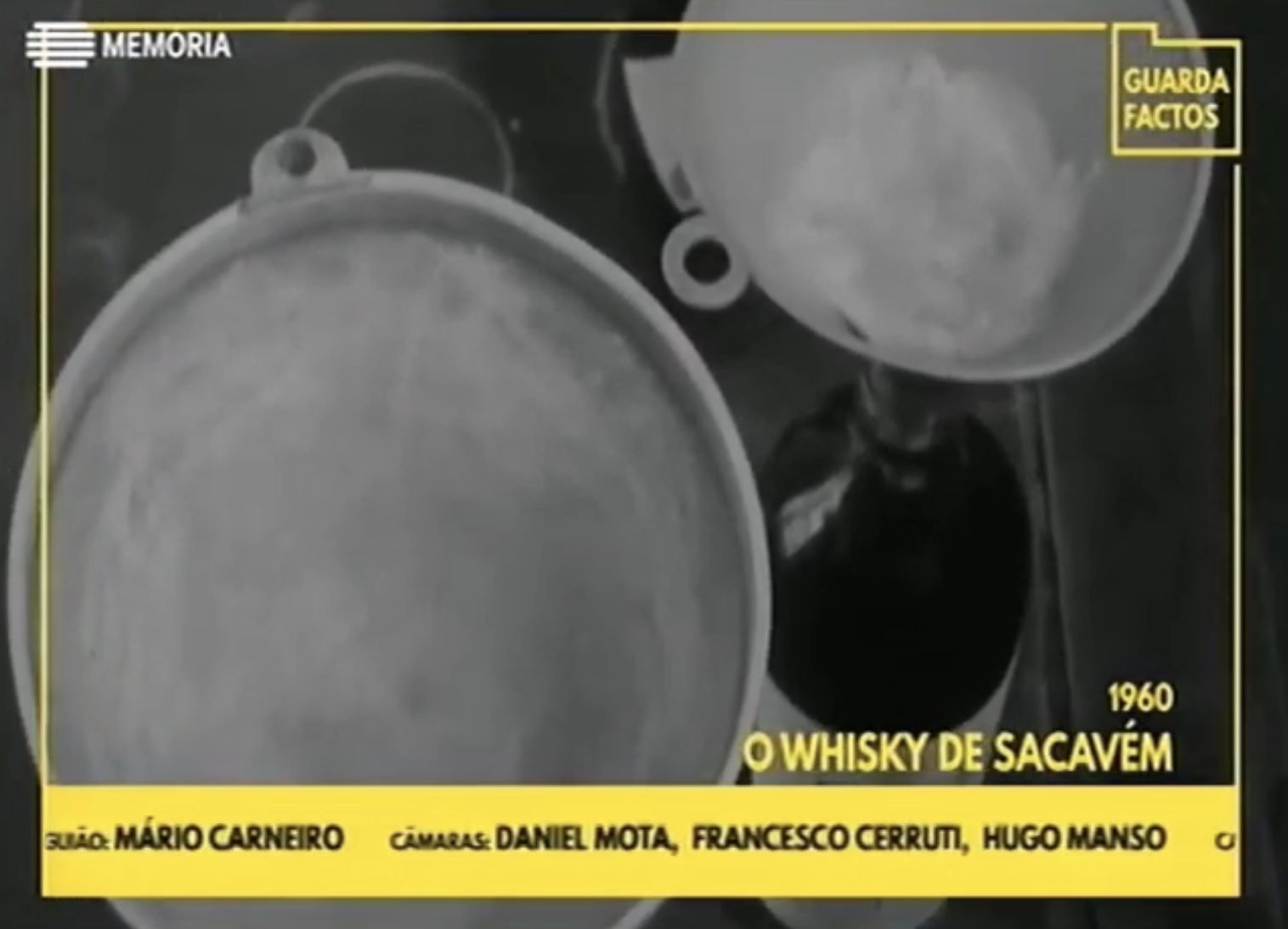
The people behind this illegal creation of whisky to be sold in the market in and around Lisbon, would start by filling a large barrel with genuine whisky from different brands such as VAT 69 and Johnnie Walker.
Afterwards, they would add significant amounts of ethyl alcohol available from farmacies, a product typically used on the skin as a topical agent to prevent infections in cuts for example. That way they would raise the abv of the mixture on the barrel to around 90% abv. Furthermore, to ensure the colour was in line with the whiskies, the gang would also add some dye (in the form of tablets) to have a more consistent product.
This also meant that the product had to be sold quickly as after about a year, the illegal mixture of fake ‘whisky’ would change in appearance with the dye losing its impact and the reality of what was inside the bottle revealing itself – the genuine Scotch whisky would be found at the bottom of the bottle with the majority of it made up of the ethyl alcohol added.
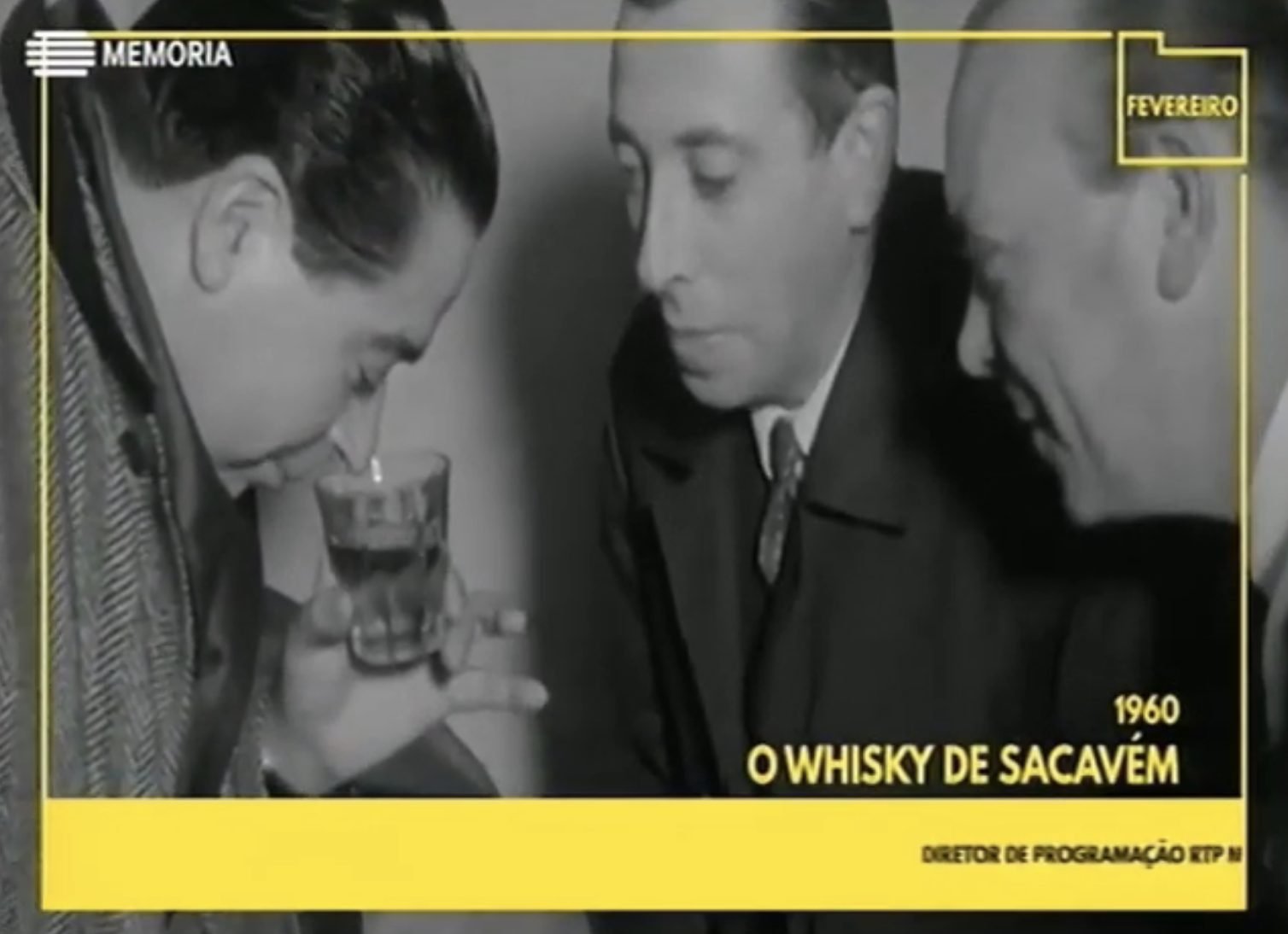
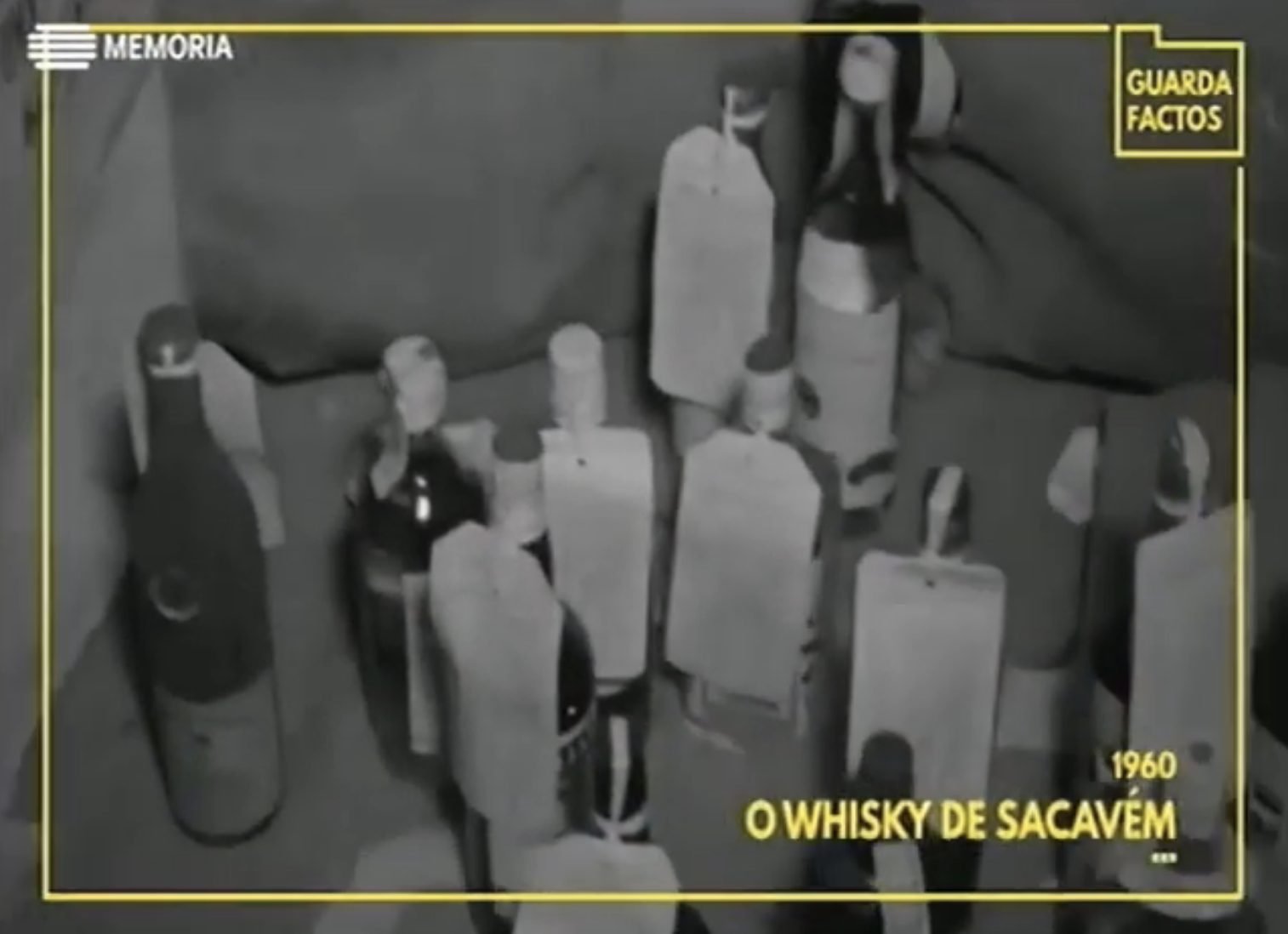
The gang of four led by Manuel Serafim operated illegally from 1962 to 1966, purchasing every other day 5 litres of ethyl alcohol from Farmácia Lourenço (a local pharmacy) citing that this was to be used at their sawmill workshop. They were well prepared for their venture with the authorities having found genuine whisky labels (such as Passport and White Horse scotch whisky), bottles, and even customs stamps.
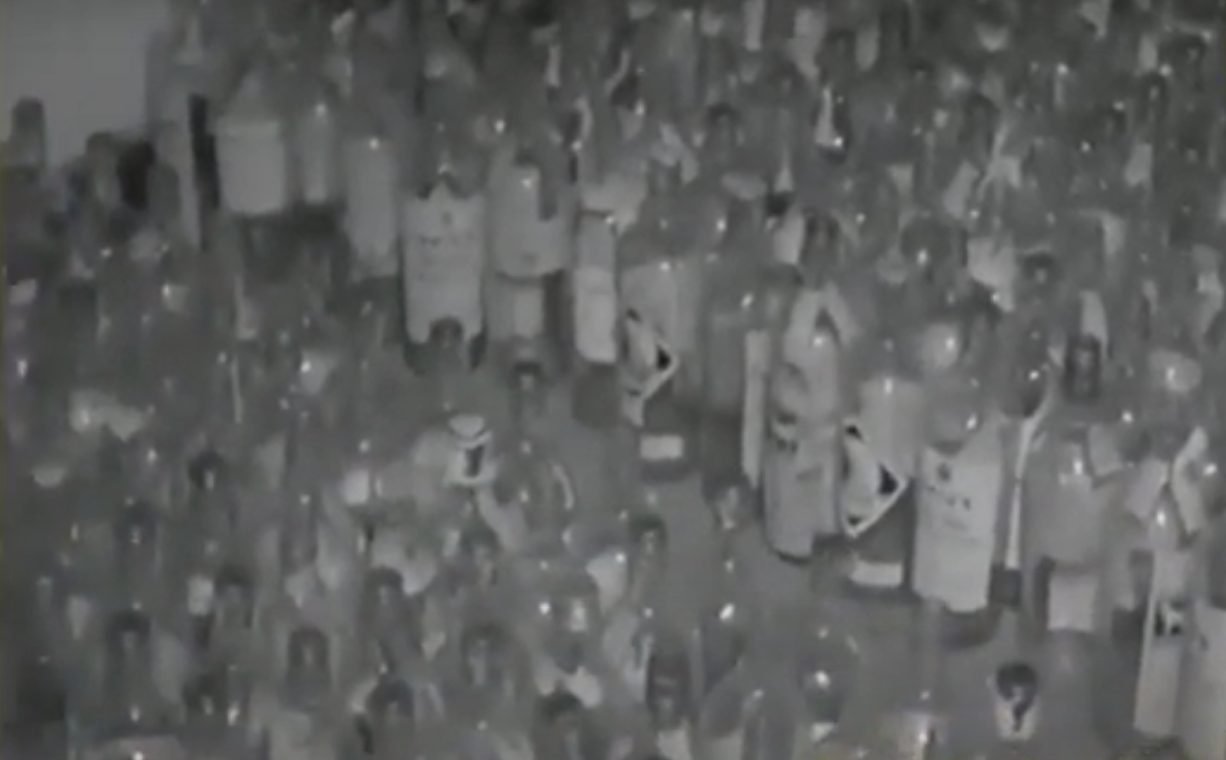
Some of the stock would also be sent to Morocco before being shipped back into Portugal in order to disguise the provenance of the fake whiskies and confuse the authorities.
Eventually though, the Guarda Nacional Republicana (GNR), which also has customs enforcement responsibility, aprehended the people behind this illegal venture and shut down its operations in Sacavém with only the Portuguese anecdote linked to a terrible hangover being left behind…





0 Comments